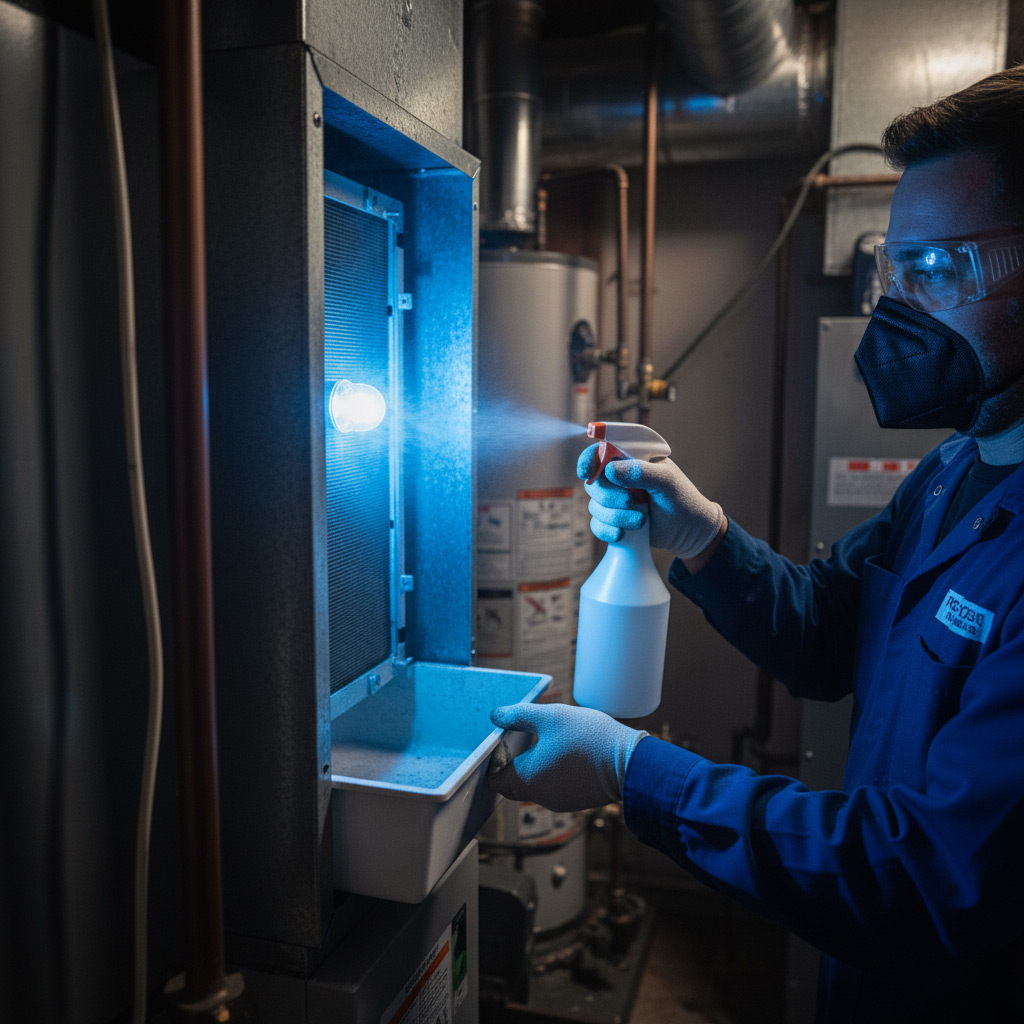
Picture this: your thermostat jumps to 80 degrees, the furnace sputters, and the electric bill starts looking like a lottery ticket you didn’t win.
Most homeowners in Plano think a quick DIY fix or a cheap part will save them cash, but those shortcuts often turn a small hiccup into a full‑blown furnace failure.
When the cold snaps hit, you’ll wish you’d avoided the same old blunders that leave you shivering and reaching for the credit card.
Ready to learn the exact mistakes that drain your wallet and how to sidestep them? Keep reading and you’ll discover the simple steps that keep your heat humming without the surprise costs.
DIY Repairs That Drain Your Wallet
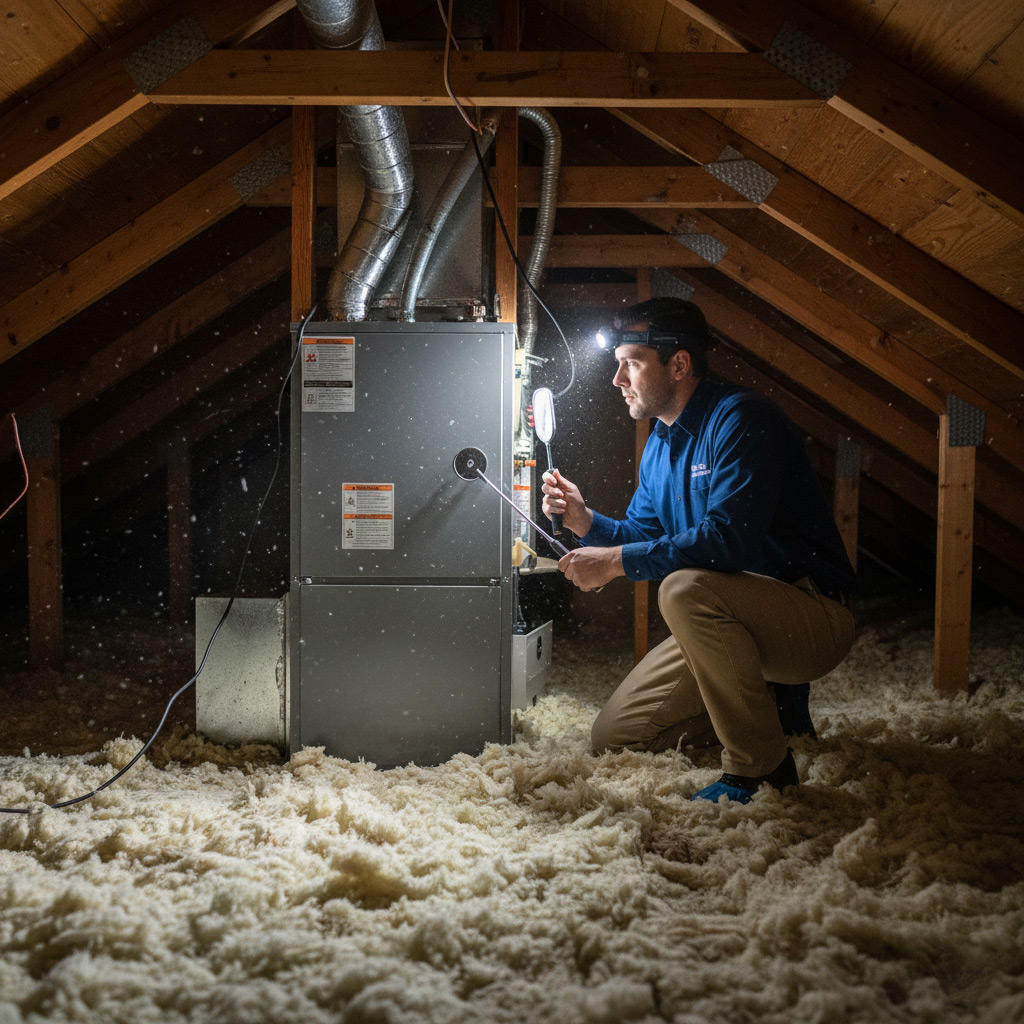
When the furnace coughs, the first instinct is to grab a wrench and “save” a few bucks. That quick fix feels like a win—until the next week brings a louder clank and a fatter repair bill. The problem isn’t the effort; it’s the lack of proper training and the hidden costs that pile up.
Why DIY Can Cost More Than You Think
Even a simple filter change can spiral when you miss a crucial step. A mis‑aligned blower wheel, for example, forces the motor to work harder, shaving off its lifespan by months. That means you’ll replace the motor sooner, and the price tag isn’t pretty.
- Using the wrong voltage on electrical components – sparks, burnt wires, and a call‑out from a licensed tech.
- Skipping safety checks – you risk personal injury and void manufacturer warranties.
- Improper sealing of ductwork – air leaks raise energy use and invite costly duct repairs.
Bottom line: a $20 tool can lead to a $1,000 service call. Trust the pros who have the right parts, the right knowledge, and the insurance to back up the job. It’s a small upfront cost for big peace of mind.
Skipping Routine Maintenance: A Costly Oversight
Why a yearly check‑up matters
Most Plano families think a furnace can run forever without a doctor’s visit. That myth costs more than a new filter. A simple inspection catches dirty burners, loose connections, and worn‑out heat exchangers before they turn into a $2,000 repair.
What you lose when you skip it
Neglecting maintenance is a silent money‑drain. Dust builds up, efficiency drops, and your utility bill spikes. The furnace works harder, burns more fuel, and ages faster—exactly the opposite of what you want when winter bites.
- Reduced airflow → higher energy use.
- Corroded heat exchanger → safety hazard.
- Worn blower motor → costly replacement.
Quick checklist for a smart homeowner
Even if you’re not a tech wizard, you can keep the furnace happy with a few easy steps each spring and fall.
- Swap the air filter every 30‑60 days.
- Clear debris around the outdoor unit.
- Listen for rattles or squeaks during a test run.
When you schedule a professional tune‑up, the tech will lubricate moving parts, test safety controls, and calibrate the thermostat. That one hour of work saves you weeks of shivering and a hefty repair bill later.
Using Incompatible or Low‑Quality Replacement Parts
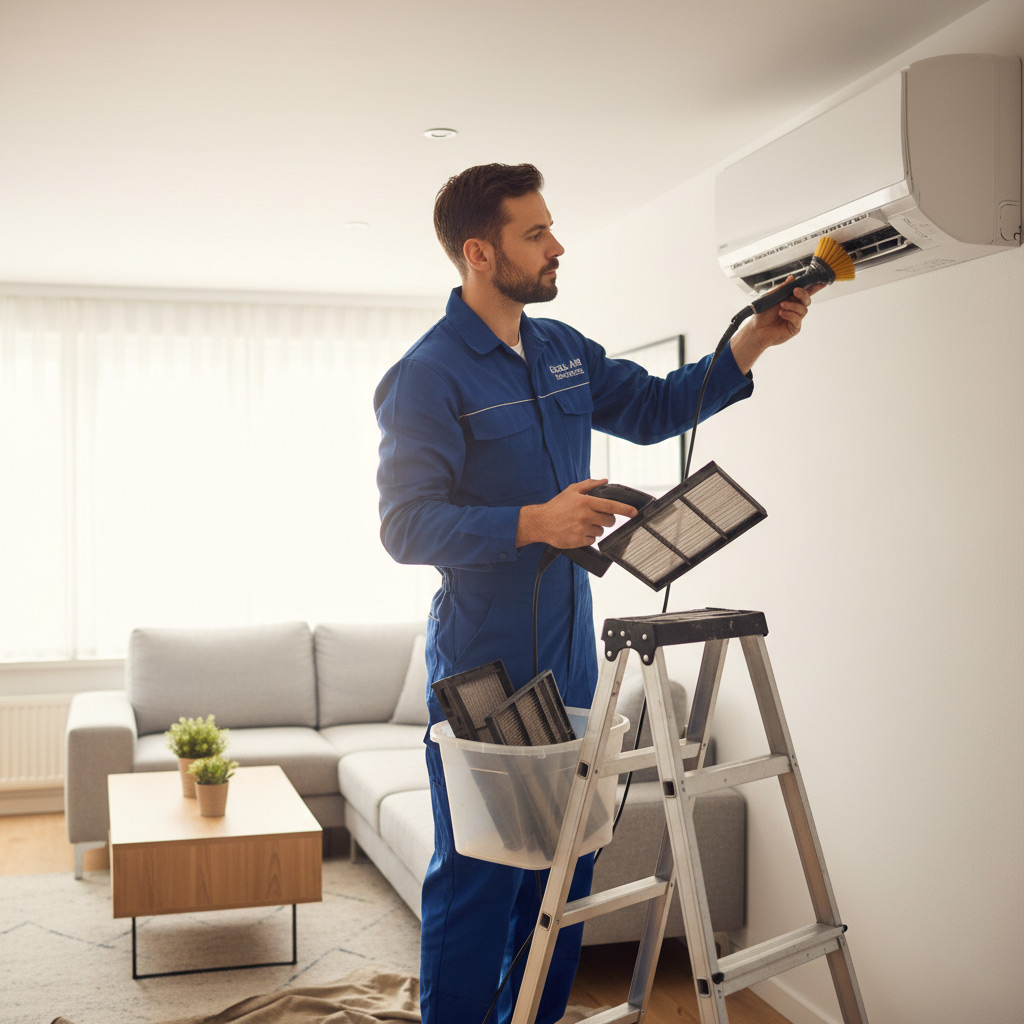
When you swap out a furnace component with a bargain‑bin piece, you’re not just saving a few bucks—you’re betting on a future breakdown. Cheap parts often lack the tolerances that a high‑efficiency system demands, and the result is a cascade of stress on the rest of the unit.
Even if the part fits physically, it might not speak the same “language” as your HVAC. A mismatched motor, for example, can cause voltage spikes that fry the control board. The bottom line: a $30 fix can become a $1,200 repair if the part isn’t right for the job.
Red flags that signal a low‑quality or wrong part
- No OEM part number on the packaging – a clear sign it’s a generic knock‑off.
- Material feels flimsy or lighter than the original – cheap metals corrode faster.
- Seller offers a “one‑size‑fits‑all” solution for a model‑specific component.
How to choose the right replacement
- Ask for the original equipment manufacturer (OEM) part number and verify it matches your furnace’s service manual.
- Buy from a reputable dealer who stands behind the product with a warranty.
- When in doubt, let a certified Plano HVAC tech confirm the part before you order.
Ignoring Professional Diagnostics and Warranties
When a furnace throws a tantrum, the temptation is to guess the problem and slap a quick fix on it. Skipping a professional diagnostic is like buying a mystery box—you might get a cheap part, but you’ll also get hidden damage that will cost you later.
Why a certified tech’s scan matters
Certified technicians bring tools that read the furnace’s “mind.” They can spot:
- Faulty heat exchangers that leak carbon monoxide.
- Electrical glitches that a homeowner’s multimeter can’t catch.
- Worn motor bearings that cause premature wear.
These issues aren’t obvious to the naked eye, and ignoring them can turn a $200 repair into a $2,000 replacement.
Warranties aren’t just paperwork
Most new furnaces come with a manufacturer’s warranty that covers parts and labor—*if* you follow the service guidelines. Skipping the official diagnostic often voids that protection, leaving you on the hook for every bolt and screw.
To keep the warranty alive, schedule a routine check before the first frost. The technician will log the service, verify that all components meet specs, and give you a written report. That paper is your safety net when the next cold snap hits.
Procrastinating Repairs During Early Winter Cold Snaps
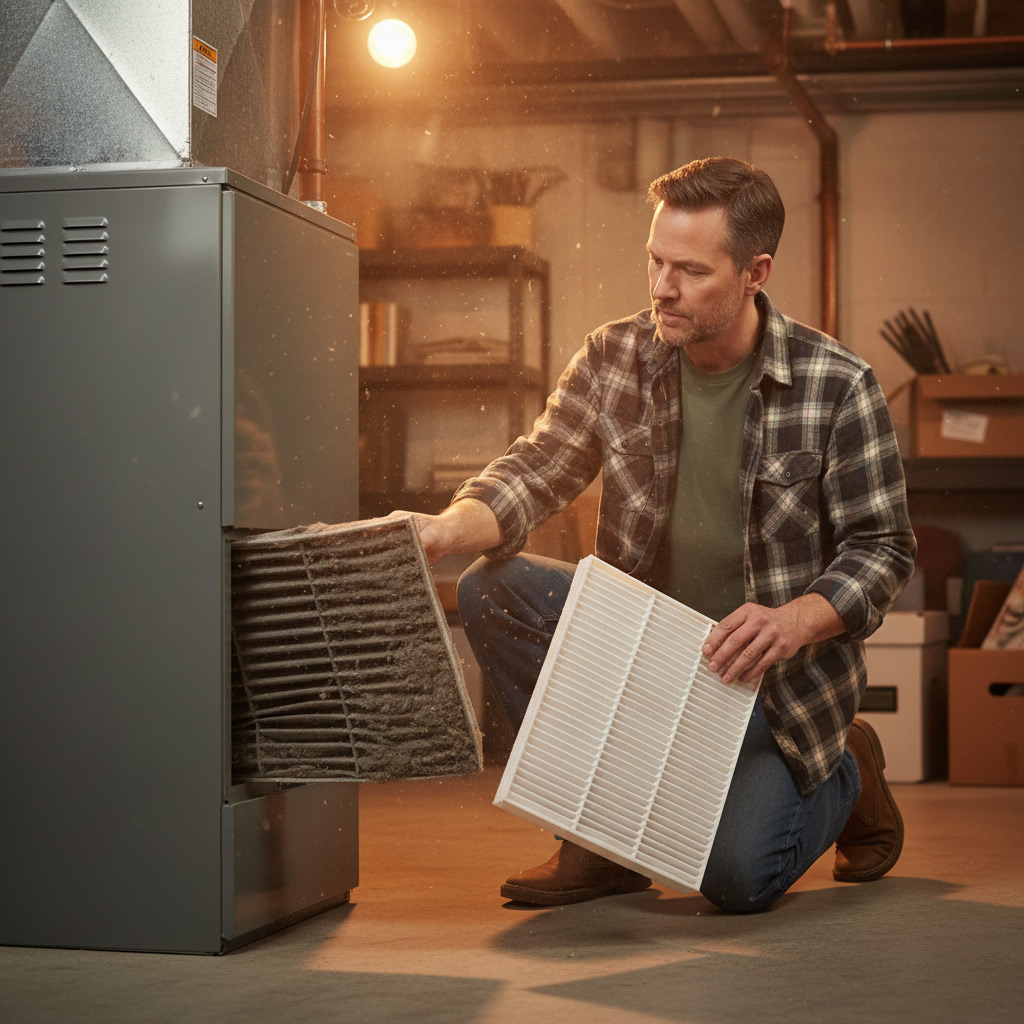
When the first frost hits Plano, the temptation to “wait until it’s really bad” is strong. That delay turns a simple fix into a race against a freezing house. The longer you sit, the more the furnace works overtime, and the higher the bill climbs.
What Happens When You Wait?
- Heat loss spikes – cold air seeps through cracks, forcing the system to run harder.
- Components wear out faster – a stressed blower motor can quit mid‑night.
- Emergency service rates skyrocket – technicians charge premium for after‑hours calls.
Don’t gamble on a “maybe it’ll be fine” mindset. Call a certified Plano HVAC pro before the temperature dips below 40°F. Early intervention locks in regular rates and keeps your furnace humming while the rest of the neighborhood shivers.
Case Study: A Plano Homeowner’s $2,500 Savings by Avoiding Common Mistakes
Background
When Maria Torres noticed her furnace humming oddly in early November, she could have reached for a cheap repair kit. Instead, she remembered the costly lessons from her neighbor’s DIY disaster.
She sidestepped three classic traps:
- Skipping the professional diagnostic – she called a certified technician for a quick check.
- Using low‑quality parts – the tech recommended OEM components that matched her system’s specs.
- Delaying the fix until the deep freeze – she booked the service within 48 hours.
Action & Savings Breakdown
The technician discovered a clogged blower motor and a failing pressure switch. Replacing both with genuine parts cost $750, plus a $150 service fee. Maria avoided a $1,600 emergency call‑out that would have included a rushed labor charge and a temporary fix.
She also signed up for a year‑long maintenance plan at $200, which covered the next seasonal tune‑up. That plan saved her an additional $200 compared to a one‑time service later in the season.
Result
All told, Maria walked away with a $2,500 net saving versus the “quick‑fix” route. Her furnace now runs efficiently, her energy bill stayed low, and she has peace of mind when the next cold snap hits.
Final Words
When the furnace finally clicks back into gear, you’ll feel the difference between a smart fix and a penny‑pinched gamble. Don’t let a cheap shortcut become a pricey nightmare—the right move now saves you time, stress, and a stack of bills later.
What to Do Right Now
- Schedule a professional inspection before the first frost hits.
- Insist on OEM or high‑grade parts for any replacement.
- Keep a written record of all service calls and warranties.
Need a trusted partner who knows Plano’s winter quirks? Heating System Repair specialists are just a call away, ready to keep your home cozy without the surprise costs.
People Also Ask
What are the most common DIY heating repairs that end up costing more?
Many homeowners attempt to replace thermostat batteries, clean filters, or tighten loose connections themselves. Without proper knowledge, they can damage delicate components, leading to expensive professional repairs.How often should I schedule routine heating maintenance in Plano?
Schedule a professional tune‑up at least once a year, ideally before the first cold snap in late October. Regular maintenance catches wear early and keeps your system running efficiently.Why is using low‑quality replacement parts a bad idea?
Cheap parts often lack the durability and certifications of OEM components, causing premature failure. This can void warranties and increase long‑term repair costs.When should I rely on a professional diagnostic instead of guessing the problem?
If the furnace displays error codes, makes unusual noises, or the issue recurs after a quick fix, call a certified technician. Professional diagnostics pinpoint the root cause and protect warranty coverage.What are the risks of delaying heating repairs during early winter?
Postponing repairs can lead to system breakdowns during peak heating demand, forcing emergency service calls at higher rates. Early intervention ensures comfort and avoids costly last‑minute fixes.
Plano HVAC brings over a decade of certified HVAC expertise to homes and businesses throughout Plano, TX. Their team combines industry‑leading training with a deep understanding of local climate challenges to deliver reliable heating and cooling solutions. Committed to responsive service, they prioritize comfort and efficiency for the community they serve.
Need HVAC?
We restore your home or business quickly, delivering functional results in hours, not days (75023, 75024, 75025, 75034, 75035). Our rapid response keeps you moving forward without delay.
Request a fast quote