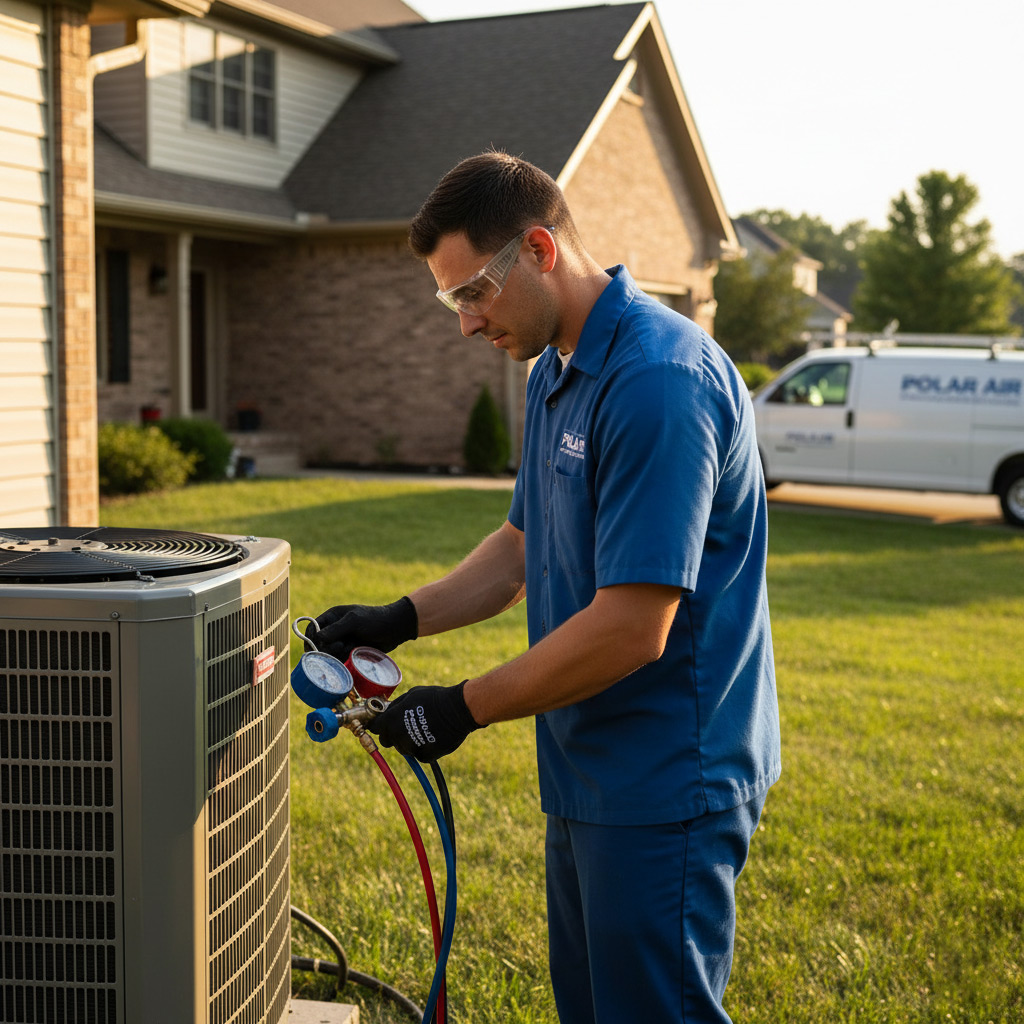
Picture this: your thermostat stays steady, your power meter barely moves, and you still feel the breeze that makes a Plano summer feel like a gentle spring afternoon.
That’s what happens when you stop guessing and start engineering an HVAC system that talks to the Texas heat the way a seasoned cowboy reads the wind. It’s not magic—it’s a handful of smart choices, the right equipment, and a layout that respects your home’s shape and sun‑exposed walls.
Ready to see the exact steps that turn a regular furnace and air‑conditioner into a low‑cost, high‑comfort powerhouse? Keep reading and you’ll walk away with a blueprint you can hand to any contractor and watch the savings roll in.
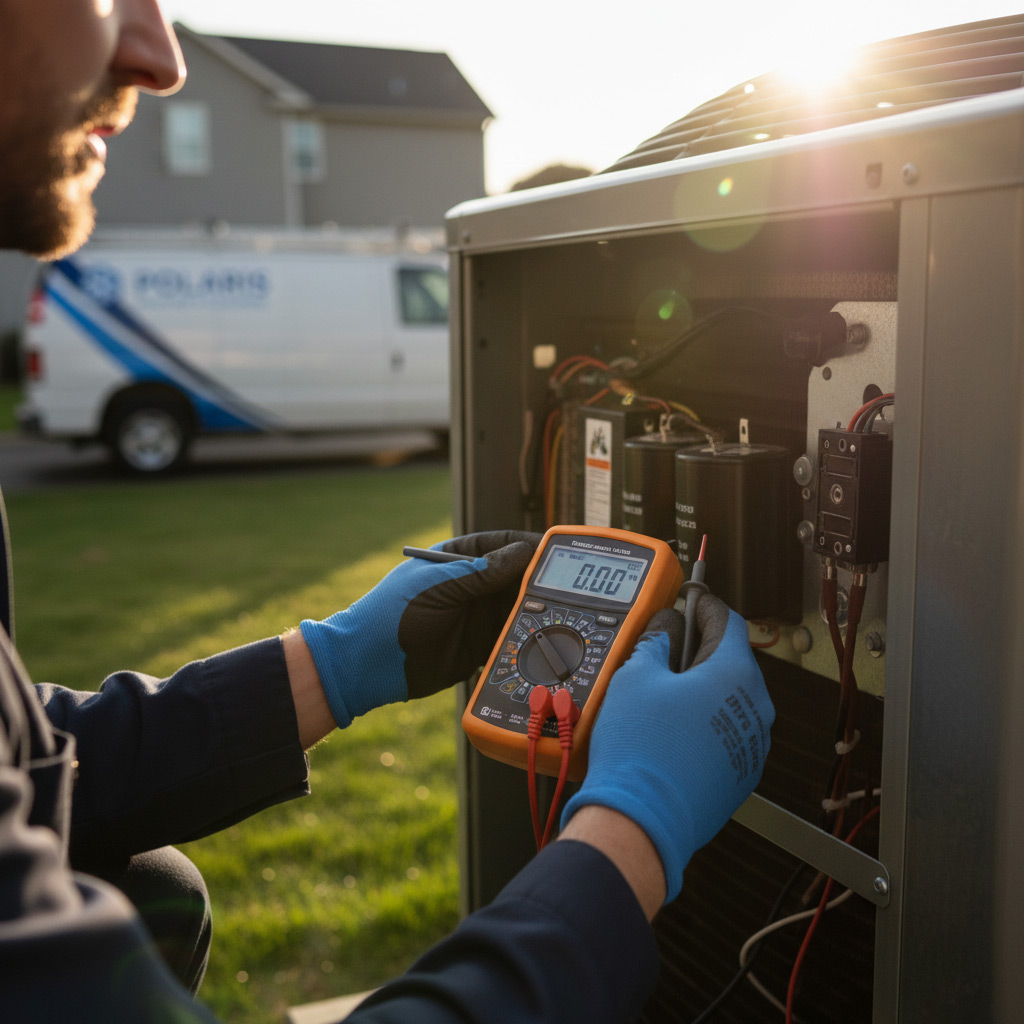
Assessing Your Plano Home’s Climate and Layout
Know Your Weather Patterns
Plano summers crank the mercury into the high‑90s, while winter evenings can dip below 30°F. Peak sun hours hit the south‑facing walls between 10 a.m. and 4 p.m., creating hot spots that love to overwork any air‑conditioner. Don’t forget the occasional thunderstorm—those sudden humidity spikes can throw off a system that isn’t sized for rapid load changes.
Map Your Floor Plan
Start by sketching the home’s footprint and noting where windows, doors, and exterior walls sit. Rooms that sit under a roof deck or have large glass panes will need extra cooling capacity. Conversely, a basement or north‑facing wing stays cooler and can share a single zone.
- Identify sun‑exposed walls – they dictate where you’ll need stronger airflow.
- Count the windows – each pane adds heat gain, especially double‑glazed units.
- Note ceiling heights – higher ceilings mean more volume to condition.
When you line up climate data with the house’s shape, you’ll see exactly where the system will struggle and where it can coast. That clarity lets you avoid the “bigger is better” trap and focus on smart sizing that matches real‑world conditions.
Selecting Energy‑Efficient Equipment for Texas Heat
SEER & HSPF: The Numbers That Matter
In Plano, a SEER rating of 16 or higher is the sweet spot for air‑conditioners that won’t bleed your wallet during those scorching July afternoons. Higher SEER means the unit moves more cooling with less electricity.
For furnaces, aim for an HSPF of 9+. That figure tells you how much heat you get per unit of fuel—crucial when the night drops to a mild 55°F.
Variable‑Speed & Two‑Stage Units
Don’t settle for a single‑speed monster that blasts cold air then shuts off. A variable‑speed blower modulates airflow, keeping humidity in check and cutting run‑time by up to 30%.
Two‑stage compressors start low, ramp up only when needed. The result? Fewer temperature swings and a quieter home.
Heat Pumps: The Texas Trick
Modern heat pumps handle both cooling and heating with up to 40% less energy than a traditional furnace‑air‑conditioner pair. Look for models with a cold‑climate rating—they stay efficient even when the mercury dips below 40°F.
- Inverter‑driven compressors adjust speed on the fly.
- Dual‑fuel options let you pair a heat pump with a backup gas furnace for those rare cold snaps.
- Smart‑ready units integrate seamlessly with programmable thermostats.
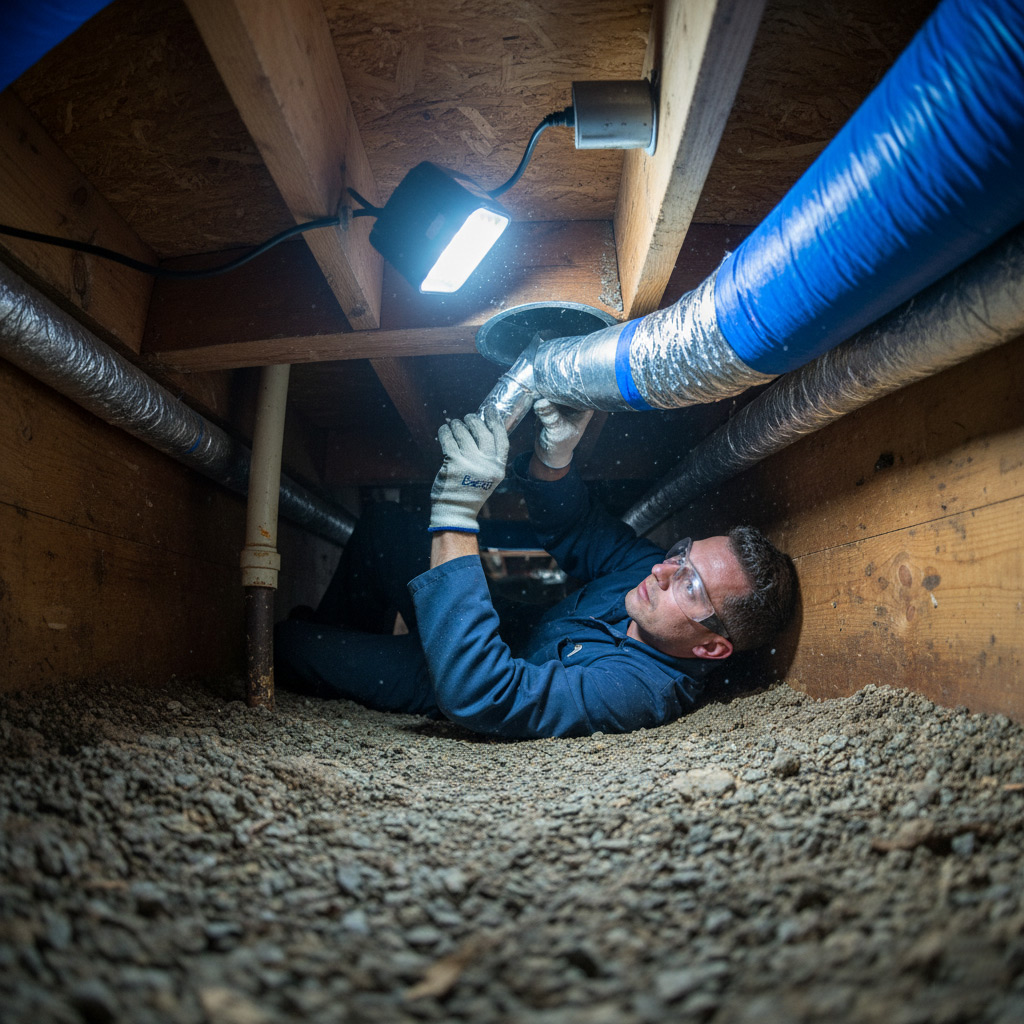
Designing Ductwork and Zoning for Balanced Comfort
Get the Airflow Right the First Time
Every square foot of duct is a chance to lose pressure, so size each run to match the load of the room it serves. Oversized ducts act like a lazy river—slow, noisy, and wasteful. Undersized ducts turn your AC into a sprint, spiking electricity use and leaving hot spots behind.
Split the House, Not the Comfort
Zoning lets you treat the master suite, the garage, and the sun‑baked front porch as separate climate zones. Install motorized dampers and a dedicated thermostat for each zone, then let the system decide where to send cool air and where to hold back heat. The result? Targeted comfort and a noticeable dip in your utility bill.
Practical Tips for a Tight, Efficient Duct System
- Seal every joint with mastic or UL‑listed tape—no foil‑backed “duct tape” shortcuts.
- Insulate ducts that run through unconditioned spaces; a few inches of foil‑backed insulation can shave off 10‑15% of loss.
- Keep supply registers at least 12 inches away from exterior walls to avoid short‑circuiting the cooling load.
- Balance the system with a professional blower door test; adjust dampers until airflow matches design specs.
Integrating Smart Controls and Programmable Thermostats
Why Smart Controls Matter
In a Plano home, the sun can turn a bedroom into a sauna in minutes. Smart controls let you tell the system to chill that room before you even step inside, cutting waste before it starts.
They also talk to your utility’s time‑of‑use rates, shifting load to cheaper hours. That’s money you keep in your pocket, not the grid’s.
Choosing the Right Thermostat
A good programmable thermostat does more than set a schedule. It learns your habits, adjusts for outdoor temperature, and can be commanded from a phone while you’re at the grocery store.
Look for Wi‑Fi connectivity, geofencing (so it knows when you’re home), and a clear, color display that even your grandma can read.
Top Picks for Plano Homes
- Ecobee SmartThermostat – built‑in Alexa, room‑sensor kit, and remote‑sensor support.
- Nest Learning Thermostat – auto‑scheduling, energy‑history reports, and sleek design.
- Honeywell Home T9 – easy zoning with wireless sensors, perfect for ranch‑style floor plans.
When you pair any of these with a dedicated hub or your HVAC’s built‑in controller, you get real‑time alerts: filter changes, system faults, and even a heads‑up when the outdoor temperature spikes.
Set up a simple rule: if the forecast calls for a 95°F day, pre‑cool the house to 74°F an hour before you arrive. The system does the work; you reap the comfort.
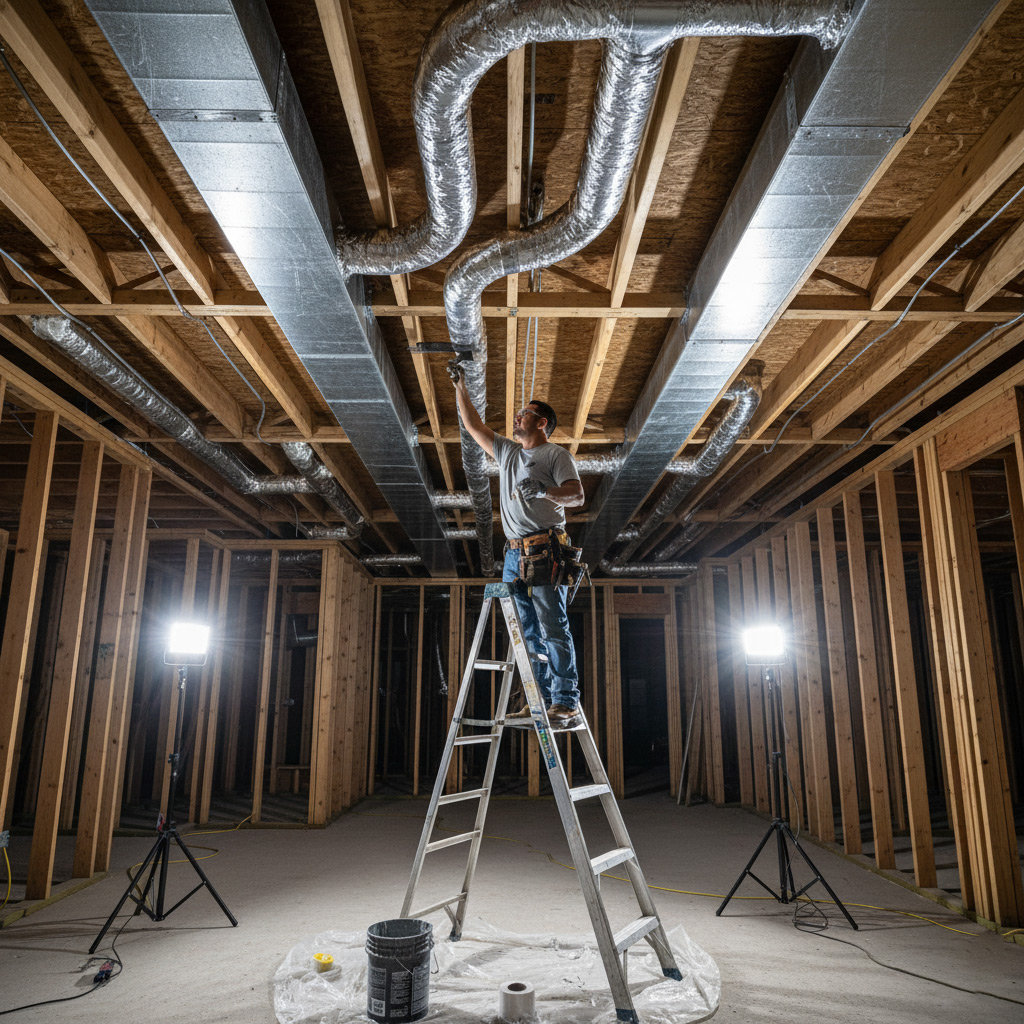
Enhancing Insulation, Air Sealing, and Ventilation
In Plano, the sun can turn a wall into a furnace. Upgrading to high‑R‑value insulation in attic spaces and exterior walls keeps that heat where it belongs—outside. Think of it as putting a thermal blanket on your home.
Seal the Leaks
Every crack is a money‑leak. A drafty door frame or a gap around a recessed light can waste up to 30% of your HVAC’s effort. Close those holes with silicone caulk, expanding foam, or weather‑stripping.
- Window and door perimeters
- Electrical boxes and light fixtures
- Plumbing penetrations
- Attic hatch and crawl‑space vents
Ventilation that Works
Fresh air is a must, but you don’t want to throw away cooling power. Install a heat‑recovery ventilator (HRV) or energy‑recovery ventilator (ERV) to pull in outside air while reclaiming the temperature of the air you’re exhausting. Result: cleaner indoor air, lower fan run‑time, and a happier thermostat.
Case Study: Energy‑Smart HVAC Retrofit in a Plano Ranch‑Style Home
The Home Before the Upgrade
Built in 1998, the 2,800‑sq‑ft ranch sat under a sun‑baked roof with a 15‑year‑old split system that ran nonstop. The owner complained about hot spots in the living room and a chilly master suite, while the electric bill hovered near $400 each month. We started with a hard look at the layout and discovered undersized ducts and a thermostat stuck at 78°F.
What We Changed
Our plan focused on three moves: right‑sized equipment, smarter airflow, and a brainy thermostat. The result?
- New 4‑ton SEER‑18 air‑conditioner paired with a high‑efficiency two‑stage furnace.
- Re‑engineered ductwork with insulated runs and a variable‑speed blower to eliminate dead zones.
- Installed a Wi‑Fi thermostat that learns the family’s schedule and adjusts on the fly.
Results After the Retrofit
Within the first month, the homeowner saw a 28% drop in the electric bill—down to $285. Comfort levels evened out; the living room stayed cool, the bedroom stayed warm. Best part? The system now runs at lower speeds most of the time, so the house feels quieter and the wear on the gear is minimal.
Final Words
When you hand a contractor a blueprint that spells out climate data, equipment specs, and zoning plans, you’re not just saving dollars—you’re future‑proofing your Plano home. Every degree you shave off the thermostat translates to a lighter electric bill and a cooler summer night.
Take Action Today
- Grab a copy of your home’s energy audit and compare it to the checklist above.
- Schedule a walkthrough with a certified HVAC designer who knows the Texas heat.
- Ask for a quote that breaks down equipment, ductwork, and smart controls separately.
Need a deeper dive into system design or want to see how a well‑tuned duct layout can cut your load? Check out our HVAC System Design page for more tips.
People Also Ask
What factors should I consider when assessing my Plano home's climate for HVAC design?
Assess the local temperature extremes, humidity levels, and seasonal wind patterns. Also evaluate your home's orientation, shading, and any micro‑climates created by nearby trees or structures.Which energy‑efficient HVAC equipment is best suited for Texas heat?
Look for units with a high SEER rating (16+), variable‑speed compressors, and ENERGY STAR certification. Two‑stage or modulating systems provide better temperature control while using less electricity.How does zoning improve comfort and energy savings in a Plano home?
Zoning divides the house into separate climate zones, allowing each area to be heated or cooled only when needed. This reduces wasteful conditioning of unoccupied spaces and can lower utility bills by up to 20 %.What smart controls should I install for an energy‑smart HVAC system?
Programmable thermostats, Wi‑Fi enabled controllers, and occupancy sensors work together to adjust temperature settings automatically. Pair them with a mobile app for remote monitoring and scheduling.Can improving insulation and sealing affect my HVAC system’s efficiency?
Yes—upgrading insulation, sealing air leaks, and ensuring proper ventilation reduce the load on your HVAC system. A tighter envelope means the system runs less often, saving energy and extending equipment life.
Plano HVAC brings over a decade of HVAC expertise to homes and businesses throughout Plano, TX. Their team of certified technicians delivers reliable heating, cooling, and indoor air quality solutions tailored to the local climate. Committed to responsive service, they prioritize comfort and efficiency for the community.
Need HVAC?
We restore your home or business quickly, delivering functional results in hours, not days (75023, 75024, 75025, 75034, 75035). Our rapid response keeps you moving forward without delay.
Request a fast quote