
Ever wonder why the HVAC tech down the street can sniff out a problem in seconds while you’re left guessing?
What they don’t tell you is that most “standard” tests are just a cover for shortcuts that hide costly mistakes. The real diagnostics involve tools and tricks that only seasoned pros keep under lock and key.
Stick around and we’ll pull back the curtain on the exact steps they use to catch hidden leaks, uneven airflow, and looming failures before they become a nightmare for your wallet.
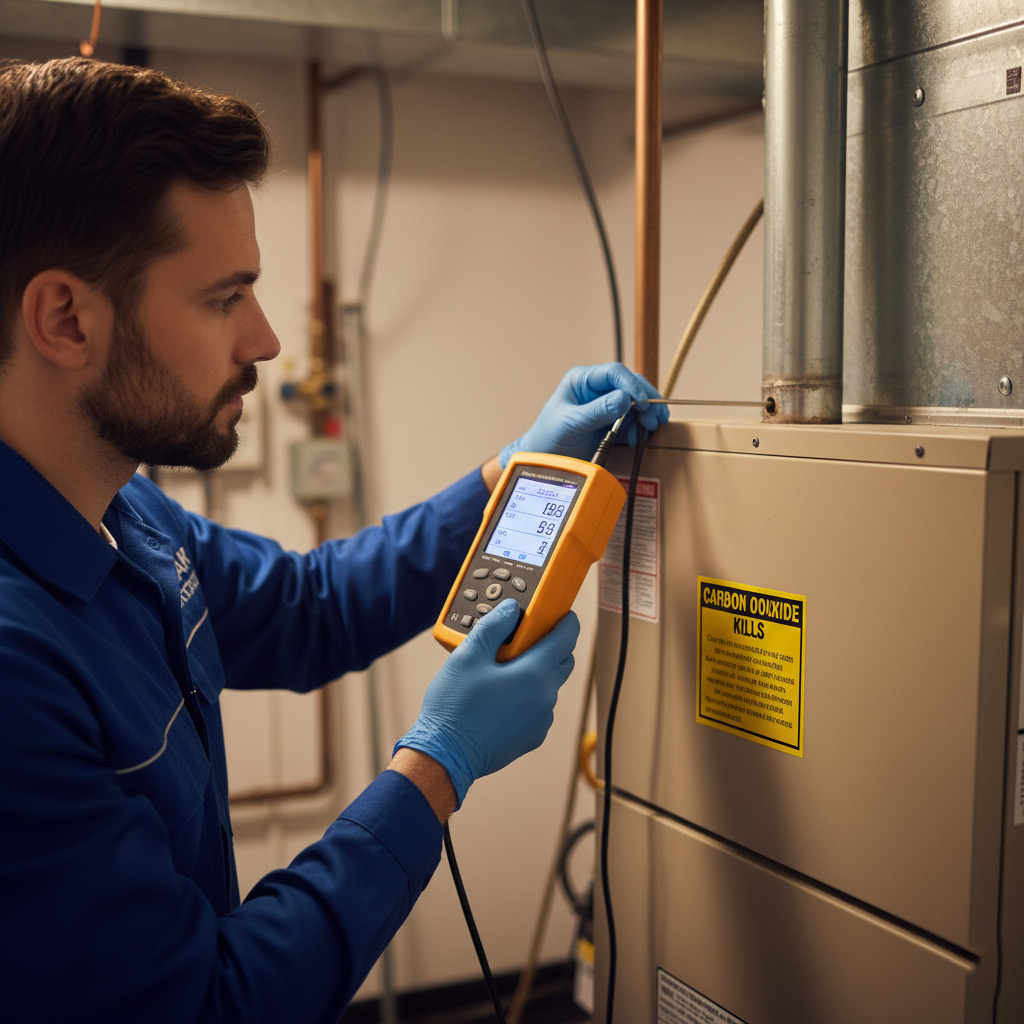
The Hidden Shortcuts in “Standard” HVAC Testing
Most homeowners think a quick visual check and a few temperature readings are enough. In reality, many “standard” tests are a smoke‑and‑mirrors routine designed to keep the bill low and the problem hidden. What you’re really getting is a surface scan, not a deep dive.
What the shortcut looks like
- Thermostat swing – techs just watch the dial move and call it a day.
- Pressure gauge “quick‑read” – a single snapshot that ignores fluctuations.
- Visual duct inspection – a flashlight sweep that misses hidden blockages.
Those three moves can mask a failing compressor, a slow refrigerant leak, or a duct that’s choking out airflow. When the real issue finally surfaces, the repair bill can explode. Skipping the deep diagnostics is a gamble you don’t want to take.
Pro-Level Diagnostic Tools and How They Work
Digital Manifold & Smart Gauges
These units replace the old‑school glass tubes with a touchscreen that shows real‑time pressure, temperature, and superheat numbers. One glance tells a tech if the system is over‑charged, under‑charged, or just plain confused. The built‑in data logger lets the technician compare today’s readings with the unit’s factory specs in seconds.
Infrared Thermography
Point‑and‑shoot, and the camera paints a heat map of every coil, duct, and vent. Cold spots instantly flag a refrigerant leak or a blocked airflow path. A quick
- scan of the evaporator
- check of the return plenum
- look at the outdoor condenser
Ultrasonic Leak Detector
It listens for the high‑pitched hiss that only a trained ear can hear. The device translates that sound into a visual bar, so even a pinhole leak becomes obvious. When the tech sweeps the line set, the detector pinpoints the exact foot‑inch where the refrigerant is escaping, saving hours of guesswork.
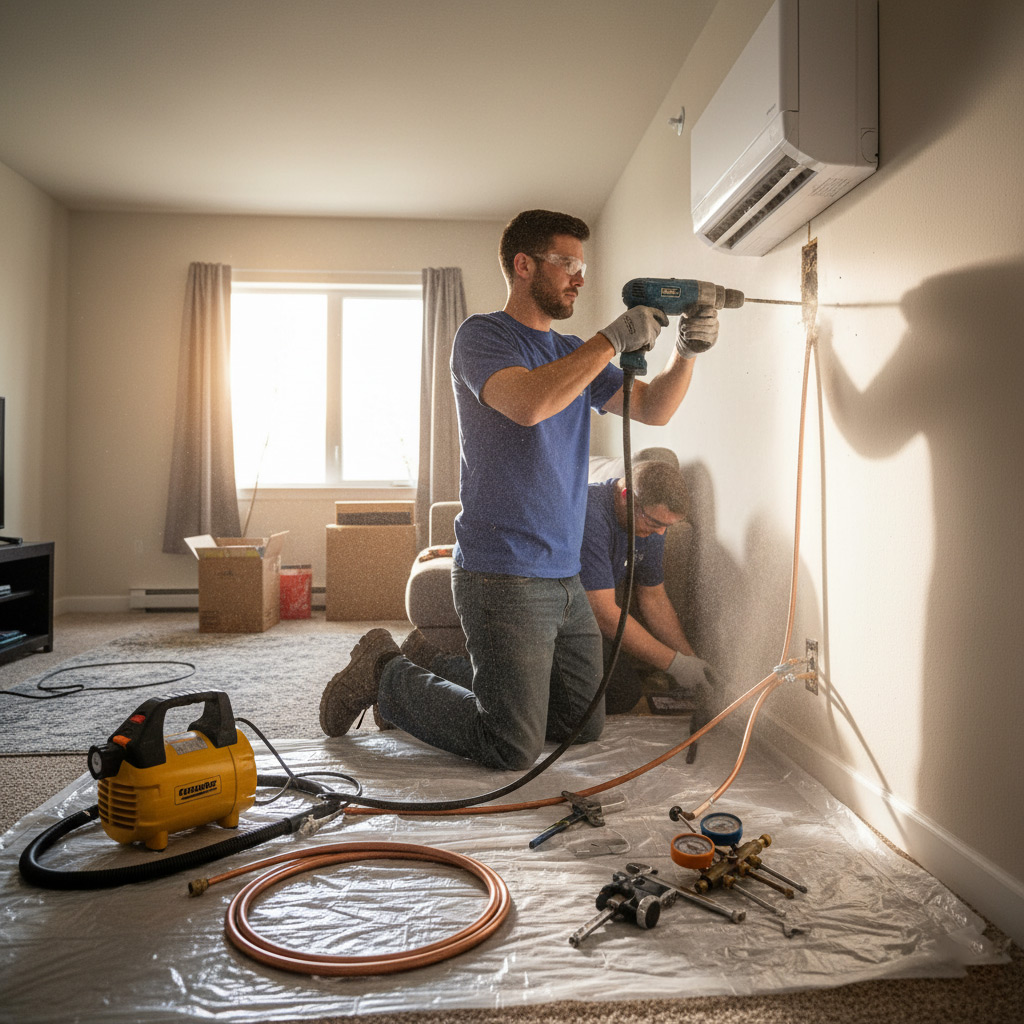
Detecting Hidden Refrigerant Leaks with Precision
Why a Simple Visual Check Won’t Cut It
Most homeowners think a quick glance at the coil will reveal a leak. That’s a myth. The truth is, refrigerant is invisible, and a tiny puncture can drain gallons before you even notice a drop in performance.
Seasoned techs skip the guesswork by using electronic leak detectors that “sniff” the exact chemical signature of R‑410A or R‑22. The device lights up like a neon sign the moment it senses a breach, even if the leak is hidden behind insulation.
Tools That Turn a Guess into a Guarantee
Here’s the arsenal a pro brings to a Plano home:
- Ultrasonic Leak Detector – hears the high‑pitched hiss of escaping refrigerant that your ears can’t catch.
- Halogen Leak Detector – sprays a harmless dye that glows under UV light, exposing cracks in minutes.
- Pressure Decay Tester – isolates the system, watches the pressure drop, and pinpoints the leak’s location.
Each tool works in tandem, giving a layered view that no “standard” test can match. The result? A pinpointed fix, not a costly guess.
Spotting the Sneaky Leaks Before They Drain Your Wallet
When a leak is caught early, the repair bill stays under a few hundred dollars. Let it slip, and you’re looking at a full system replacement – easily $7,000 in Plano.
Pro tip: schedule a leak audit during the off‑season. The tech can run a full system pressure check while the unit is idle, catching problems that only show up under load.
Identifying Uneven Airflow and Duct Imbalances
Symptoms Homeowners Notice
When one room feels like a sauna while the next feels like a freezer, the culprit is usually a duct imbalance. Spotting the pattern early saves you from a costly remodel later.
Typical red flags include:
- Cold spots near windows or exterior walls
- Rooms that never reach the thermostat setting
- Whistling or rattling noises from vents
Tools of the Trade
Pros don’t guess; they measure. A handheld manometer reads static pressure in each register, revealing where the system is over‑ or under‑pressurized.
Other go‑to gadgets:
- Smoke pencil – visualizes airflow direction in real time
- Infrared camera – spots temperature differentials behind walls
- Adjustable balancing dampers – fine‑tune flow without tearing ducts
Quick Wins
Once the problem areas are mapped, a few simple fixes can level the playing field.
Start with these actions:
- Close or partially close vents in rooms that receive too much air
- Seal gaps with mastic or foil tape to prevent leaks
- Install or adjust balancing dampers at the main trunk line

Predictive Maintenance: Spotting Looming Failures Before They Strike
Why Predictive Beats Reactive
When you wait for a breakdown, you’re paying for emergency service and lost comfort. Predictive maintenance flips the script by catching wear‑and‑tear before it becomes a crisis.
Smart pros look for three tell‑tale signs:
- Temperature spikes on coils or compressors.
- Unusual vibration patterns that hint at motor fatigue.
- Gradual pressure drops that signal a clogged line.
Tools That Talk Before Things Go Wrong
Modern HVAC techs carry a toolbox that reads the system’s pulse. A handheld infrared camera spots hot spots in seconds, while a vibration analyzer translates noise into actionable data.
Connected sensors add another layer:
- IoT pressure transducers send real‑time alerts to your phone.
- Smart thermostats log runtime and flag anomalies.
- Leak detectors sniff out refrigerant loss before efficiency plummets.
Turning Data Into Dollars
Every early warning saves you money. Replace a worn bearing now, and you avoid a compressor failure that could cost thousands.
Schedule a quarterly check‑up and you’ll see:
- Reduced energy bills by up to 15%.
- Extended equipment lifespan—often 5‑7 years extra.
- Peace of mind knowing your system won’t quit on a hot Plano summer.
Case Study: How a Plano Homeowner Avoided a $7,000 HVAC Disaster
The Red Flag That Almost Cost a Fortune
When Maria noticed a faint hissing sound behind her bedroom wall, she brushed it off as “just the house settling.” That’s the exact moment a hidden refrigerant leak starts to eat away at your budget. A quick call to a local HVAC pro revealed a pressure drop that would have spiraled into a $7,000 compressor replacement if left unchecked.
What the Pros Did Differently
Instead of the usual “turn the knob and listen,” the technician deployed a digital leak detector and a UV dye kit. Within minutes the leak was glowing bright green under a black‑light, pinpointing the exact joint that needed repair.
- Step 1: Attach the electronic leak sensor to the low‑side line.
- Step 2: Inject UV‑visible dye into the system.
- Step 3: Scan every coil, valve, and connection with a handheld black‑light.
The repair cost $350, but it saved Maria from a looming $7,000 nightmare. That’s the power of a proper diagnostic.
Lesson Learned – Don’t Wait for the Alarm
Maria now schedules a full system inspection twice a year. The technician checks for:
- Pressure anomalies that hint at leaks.
- Airflow inconsistencies that signal duct issues.
- Early wear on motors before they seize.
She’s turned a potential disaster into a simple $150 service fee. The takeaway? A little proactive testing beats a massive repair bill every time.
Final Words
Don’t let the “standard” checklist fool you—real peace of mind comes from a tech who knows the hidden shortcuts and calls them out. Ask for a full diagnostic, not a quick glance. That’s the difference between a $200 repair and a $7,000 nightmare.
Quick Action Checklist
- Ask the technician to show you the pressure readings on the spot.
- Request a smoke test for duct leaks if airflow feels off.
- Insist on a refrigerant leak detector sweep before any refill.
When you’re ready to skip the guesswork, our Plano team is just a click away. Schedule a comprehensive HVAC testing and inspection, our system will thank you, and your wallet will stay a lot heavier.
Plano HVAC brings over a decade of HVAC expertise to homes and businesses throughout Plano, TX. Their team of certified technicians delivers reliable heating, cooling, and indoor air quality solutions tailored to the local climate. Committed to responsive service, they prioritize comfort and efficiency for the community. We restore your home or business quickly, delivering functional results in hours, not days (75023, 75024, 75025, 75034, 75035). Our rapid response keeps you moving forward without delay.People Also Ask
What makes a “standard” HVAC test different from a professional diagnostic?
A standard test often checks basic temperature differentials and airflow, while pros use calibrated sensors, pressure gauges, and data loggers to capture real‑time performance metrics across the entire system.
How do technicians detect hidden refrigerant leaks without visible signs?
They employ electronic leak detectors and UV dye tracing, which can pinpoint microscopic leaks in coils, valves, and connections that are invisible to the naked eye.
Can uneven airflow be fixed without replacing the whole ductwork?
Yes, by balancing dampers, sealing leaks, and using airflow measurement tools, technicians can correct imbalances and improve comfort without costly duct replacements.
What is predictive maintenance and how does it prevent costly HVAC failures?
Predictive maintenance uses sensor data and trend analysis to forecast component wear, allowing homeowners to address issues like motor fatigue or coil fouling before they cause system breakdowns.
How did a Plano homeowner avoid a $7,000 HVAC disaster through testing?
A thorough inspection revealed a failing compressor bearing and a minor refrigerant leak; early repairs saved the homeowner from a total system replacement that would have cost upwards of $7,000.

Need HVAC?