
Your furnace just coughed its last breath and the thermostat is flashing red—what now? In Plano’s swing‑season, a broken HVAC system isn’t just uncomfortable, it can drain your wallet fast.
Replacing a unit isn’t a gamble if you know the right questions to ask, the permits you need, and the timing that saves you from the summer scorch or winter freeze. Local contractors know the codes, the rebates that Texas offers, and the models that survive our heat spikes without breaking the bank. You’ll also learn how to size the system so every room gets the right amount of air without overworking the compressor.
Stick with me and I’ll walk you through every decision point, from the first inspection to the final punch‑list, so you can walk away confident and cool. Ready to see the exact roadmap that turns a stressful replacement into a smooth, money‑smart upgrade?
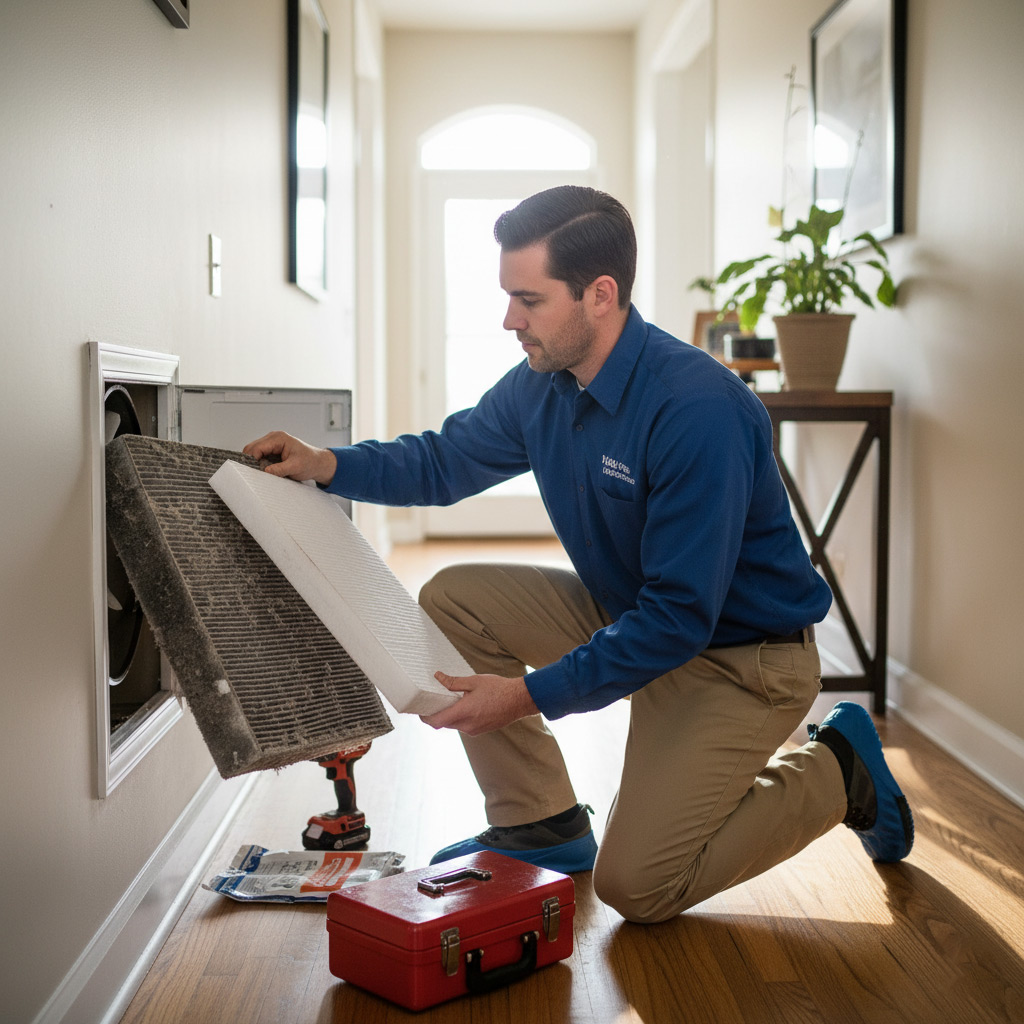
Assessing Your Current System and Deciding If Replacement Is Needed
Start with a visual inspection
Turn the thermostat to “high” and watch the furnace fire up. If the burners sputter, the blower rattles, or you see rust creeping along the heat exchanger, those are red flags.
- Strange noises – clanking, squealing, or whistling.
- Visible wear – cracked panels, corroded coils, or loose wiring.
- Frequent short‑cycling – the unit turns on and off every few minutes.
Check performance data
Pull the age sticker from the unit; most HVAC systems in Texas hit the 15‑year mark before they start costing more in repairs than a new model. Look at your energy bills – a sudden 20% jump usually means the system is working harder than it should.
Ask your technician for a diagnostic report. A clear list of past repairs, parts replaced, and the condition of the compressor will tell you if you’re patching a sinking ship.
Weigh cost versus benefit
Calculate the payback period: take the price of a high‑efficiency unit, subtract the estimated savings on your monthly bill, and see how many years it takes to break even. If the break‑even point is under eight years, you’re looking at a smart investment.
Don’t forget the hidden costs – higher maintenance fees, rising fuel prices, and the risk of a total failure during a heat wave. When the numbers line up, replacement isn’t a gamble; it’s a calculated upgrade.
Performing a Precise Load Calculation for Plano’s Climate
Why a Manual J is non‑negotiable
Skipping the math is a shortcut that costs you later. Oversized units waste energy and short‑cycle, while undersized units leave rooms shivering.
In Plano, the swing‑season can swing hard. A proper Manual J tells you exactly how many BTUs each room needs, no guesswork.
Gather the data before you call a tech
Start with the basics: square footage, ceiling height, and window count. Then add the nuances that make Plano unique.
- Orientation: South‑facing rooms soak up sun all day.
- Insulation R‑value: Older homes often have gaps.
- Occupancy: Two adults + kids = extra heat load.
- Appliances: Kitchen range, dryer, and even a home office add load.
Plug in the local climate numbers
Plano’s summer peaks near 95°F, while winter lows dip to the mid‑30s. Use those extremes when you feed the Manual J software.
Professional HVAC contractors in Plano have access to the latest ACCA tools. Let them run the calculation, then compare the result to the unit’s SEER and HSPF ratings before you sign.

Selecting the Ideal HVAC Model: Efficiency Ratings, Features, and Texas Rebates
Understanding SEER & HSPF
First, look at the SEER (Seasonal Energy Efficiency Ratio) for cooling and HSPF (Heating Seasonal Performance Factor) for heating. Higher numbers mean lower bills, but they also cost more upfront.
In Plano, a SEER of 14‑16 hits the sweet spot for most homes. Anything above 18 is premium territory—great if you plan to stay put for a decade.
- SEER 13‑14: Entry‑level, meets code.
- SEER 15‑16: Best balance of cost and savings.
- SEER 18+: Luxury tier, ideal for high‑efficiency goals.
Feature Checklist
Don’t get dazzled by a shiny logo. Focus on what actually improves comfort and durability.
Key features to demand:
- Variable‑speed blower – smooth airflow, less noise.
- Smart thermostat compatibility – remote control, energy reports.
- Corrosion‑resistant coils – Plano’s humidity can be brutal.
- Two‑stage heating – steadier temps, less wear.
Grab the Texas Rebates
Texas offers cash‑back programs that can shave thousands off the sticker price. The trick is timing and paperwork.
Steps to lock in the rebate:
- Check the Texas Comptroller’s website for the latest utility‑specific offers.
- Ask your installer to submit the rebate form during the quote phase.
- Keep the purchase receipt and the ENERGY STAR certification handy.
Understanding Permits, Local Codes, and Incentive Programs in Plano
Before you swing a hammer, the city wants paperwork. Plano requires a mechanical permit for any new HVAC unit or major replacement, and the permit must be signed off before the first test run. Skipping this step can land you with a fine or a forced teardown later.
What Permits Do You Need?
- Mechanical Permit – covers ductwork, refrigerant lines, and the unit itself.
- Electrical Permit – needed if you’re adding a new thermostat, wiring, or a dedicated circuit.
- Inspection Schedule – a rough‑in check, a final inspection, and a post‑install verification.
Now, let’s talk code. Plano follows the International Mechanical Code (IMC) with a few local tweaks, so your contractor has to size ducts, set clearances, and seal everything to code. Miss a clearance and you risk a failed inspection, which means extra labor and delay.
Key Code Requirements in Plano
- Minimum 3‑foot clearance from combustible materials for furnaces.
- Proper condensate drainage – no standing water in the crawl space.
- Duct leakage must stay under 6% of the system’s total airflow.
Good news: the city and the state love energy‑savvy upgrades. Texas offers a rebate for units that hit a SEER rating of 16 or higher, and Plano’s utility partners throw in a $300 credit for qualifying heat pumps.
Cash‑Back and Rebates You Can Grab
- TX‑Rebates – up to $1,000 for qualifying high‑efficiency models.
- Plano’s Energy Conservation Program – $250 off installation when you pair a smart thermostat.
- Utility company “Peak‑Shift” incentives – extra credit if your new system can be programmed for off‑peak operation.

Vetting Contractors, Comparing Quotes, and Scheduling Installation
Check Credentials & Reputation
Start with the basics: a valid Texas HVAC license, insurance, and a clean BBB rating. Ask for at least three recent references and actually call them—real homeowners will tell you if the crew left a mess or finished early.
Don’t forget the local angle. A contractor who knows Plano’s building codes and the city’s rebate paperwork will save you hours of back‑and‑forth.
- License # posted on the company website
- Proof of workers’ comp and liability coverage
- Positive reviews on Google and Angi
Break Down the Numbers
When the quotes land in your inbox, treat them like a puzzle. Separate equipment cost, labor, permits, and any “miscellaneous” line items.
Look for hidden fees—sometimes a “system startup” charge is just the contractor’s way of padding the bill.
- Unit price (check SEER rating)
- Installation labor (hourly vs. flat rate)
- Permit fees (city of Plano)
- Warranty extensions (cost vs. benefit)
Lock In the Timeline
Once you’ve picked a winner, nail down the schedule before the first shovel hits the ground. A good contractor will give you a start date, an estimated completion window, and a clear plan for any weather delays.
Ask for a written timeline that includes a “punch‑list” walk‑through—this is your safety net to make sure nothing is left undone.
- Start date confirmed in writing
- Estimated finish (usually 2‑3 days for a full replacement)
- Post‑install inspection and system test
Case Study: A Seamless HVAC Replacement for a Plano Homeowner
Background
When the Martinez family noticed their furnace sputtering on a chilly January night, they called a local pro. The technician confirmed the unit was beyond repair and recommended a full replacement before the spring heat hit.
Step‑by‑Step Execution
We walked the Martinez crew through every decision point, from sizing to paperwork. The process looked like this:
- Load calculation: A Manual J analysis showed a 3‑ton unit would keep every room comfortable without overworking the compressor.
- Model selection: We chose a 20 SEER heat pump that qualified for the Texas Energy Incentive, saving them $800 off the sticker price.
- Permits & rebates: Our crew filed the required Plano building permit and secured the rebate before the first invoice.
Installation & Results
The installation crew arrived on schedule, completed the duct seal‑up, and mounted the new unit in under eight hours. The Martinez family reported a noticeable temperature drop and a 15 % reduction in their monthly electric bill within the first month.
Because we handled the paperwork, the warranty registration, and the post‑install check‑list, the homeowners could relax and enjoy a quiet, efficient system all summer long.
Final Words
Stay Ahead of the Curve
Even after the new unit hums to life, the real win is keeping it in top shape. Schedule a seasonal tune‑up before the heat spikes and another before the chill sets in. A quick filter swap every 90 days can shave dollars off your electric bill.
Money‑Smart Moves
Don’t let the price tag scare you—Texas offers rebates that can cover a chunk of the cost. Check the HVAC Replacement page for the latest incentives, and ask your installer to bundle the rebate paperwork with the quote. Financing? Look for zero‑interest promos that let you pay over time without extra fees.
Quick Checklist
- Confirm the unit’s SEER rating meets your comfort goals.
- Verify the contractor holds a Plano‑specific license.
- Ask for a written warranty on both equipment and labor.
- Make sure the permit is filed before the first pipe is cut.
- Schedule a post‑install walkthrough to sign off on the job.
People Also Ask
How do I know if my HVAC system in Plano needs to be replaced?
If your unit is over 10‑15 years old, requires frequent repairs, or fails to maintain consistent indoor temperatures, replacement is likely more cost‑effective. Additionally, rising energy bills can indicate reduced efficiency that a new system would improve.What is a Manual J load calculation and why is it important for Plano homes?
A Manual J load calculation measures the heating and cooling demand of your specific home based on size, insulation, windows, and local climate. It ensures you select an HVAC system that’s properly sized for Plano’s hot summers and mild winters, preventing short‑cycling or inadequate comfort.Which HVAC efficiency ratings should Plano homeowners prioritize?
Look for units with a SEER rating of 16 or higher for cooling and an AFUE of 90% or above for heating. Higher ratings qualify for Texas energy rebates and lower your long‑term utility costs.Do I need permits or inspections for an HVAC replacement in Plano?
Yes, Plano requires a mechanical permit and final inspection to ensure the installation meets local building codes and safety standards. Your licensed contractor will typically handle the paperwork and schedule the inspection.How can I compare HVAC contractor quotes effectively?
Request detailed, itemized estimates that include equipment, labor, warranties, and any additional fees. Verify each contractor’s licensing, insurance, and customer reviews, then compare the total value rather than just the lowest price.
Plano HVAC brings over a decade of HVAC expertise to homes and businesses throughout Plano, TX. Their team of certified technicians delivers reliable heating, cooling, and indoor air quality solutions tailored to the local climate. Committed to responsive service, they prioritize comfort and efficiency for the community.
Need HVAC?
We restore your home or business quickly, delivering functional results in hours, not days (75023, 75024, 75025, 75034, 75035). Our rapid response keeps you moving forward without delay.
Request a fast quote