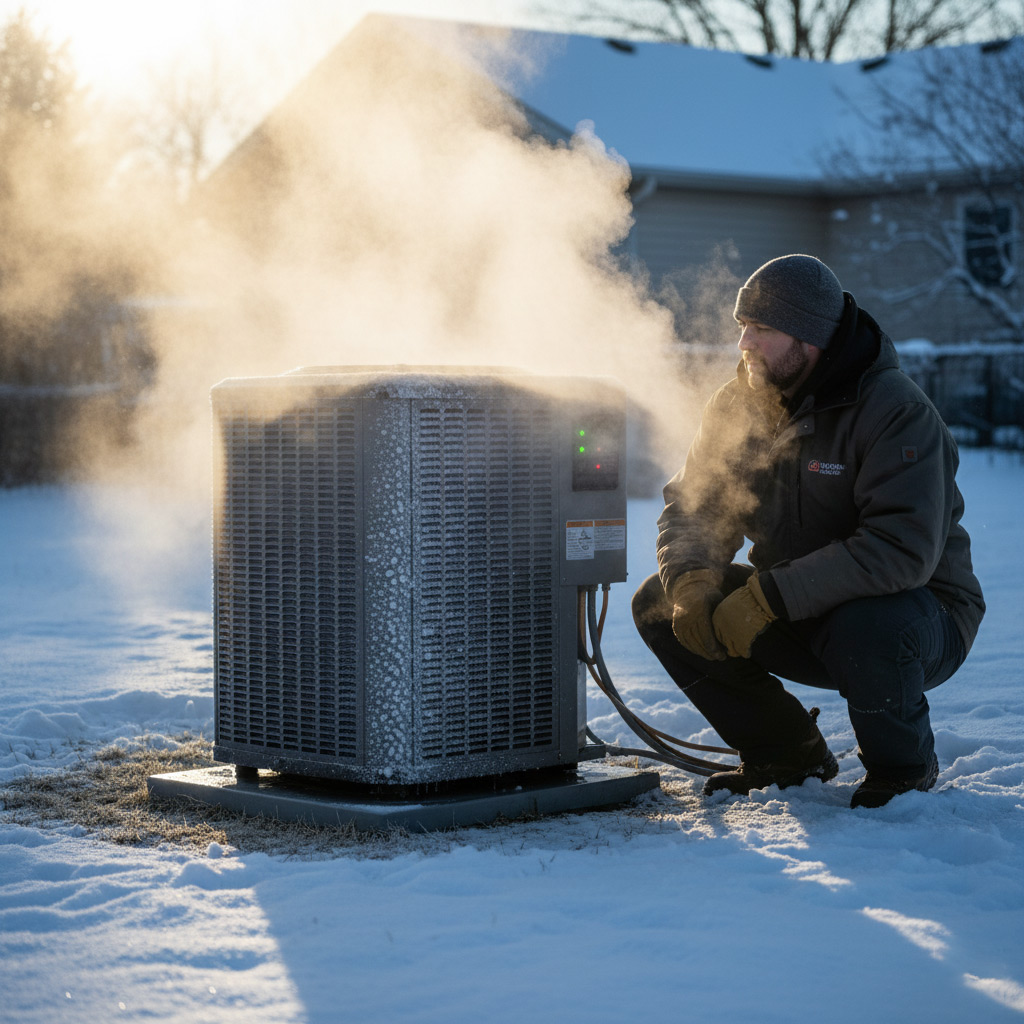
You’re staring at that humming heat pump, wondering if it’s about to quit on you in the middle of a Texas summer. Most homeowners in Plano think a quick fix will do, but the reality is a lot messier.
Repair quotes can swing wildly, and the fine print often hides extra fees that hit your wallet later. Add the unpredictable weather swings of North Texas, and you’ve got a recipe for surprise expenses.
That’s why you need a local pro who knows the quirks of Plano’s climate and can separate a genuine issue from a sales pitch. A seasoned technician will spot the red flags before they become costly breakdowns.
Stick around and I’ll spill the exact questions you need to ask before you sign any repair contract, so you never get blindsided again.
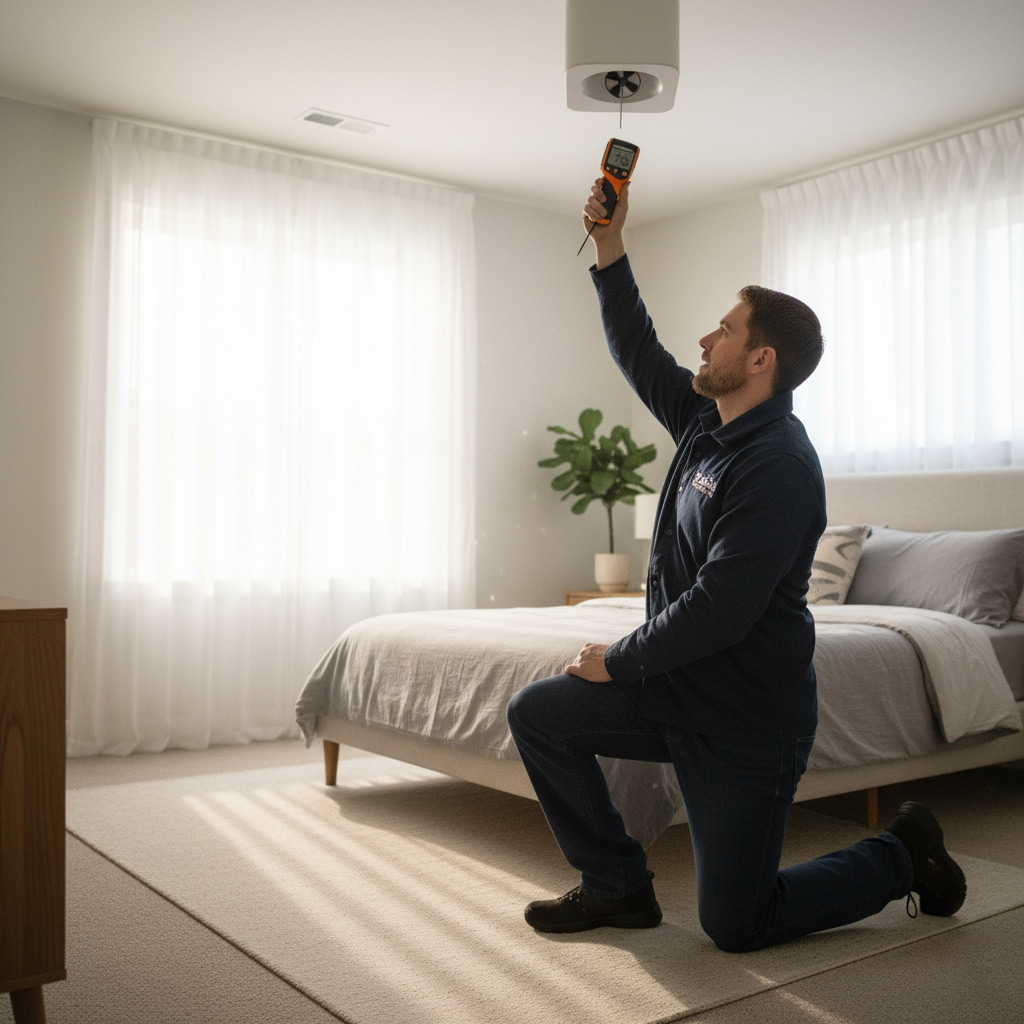
How Heat Pumps Operate in Plano’s Unique Climate
Plano’s weather swings between scorching 100‑degree summers and sudden 30‑degree freezes. A heat pump must juggle both heating and cooling, pulling heat from the air even when the thermometer dips below 40°F. That’s why a unit with a variable‑speed compressor and a robust defrost cycle is worth its weight in gold.
What the system actually does
In cooling mode, the outdoor coil acts like a giant refrigerator, dumping indoor heat outside. In heating mode, the cycle flips—heat is extracted from the chilly outside air and pushed inside. The magic happens thanks to a refrigerant that changes state, absorbing and releasing energy with each pass.
- Variable‑speed fans keep humidity in check during humid spring evenings.
- Inverter technology lets the compressor throttle up or down, saving energy when the load is light.
- A well‑tuned defrost timer prevents ice buildup on the outdoor coil during those surprise cold snaps.
When any of those components slip, you’ll feel it fast: uneven temperatures, strange noises, or a spike in your electric bill. Knowing how the system should behave makes it easier to spot the red flags before they turn into a full‑blown breakdown.
Red Flags: Warning Signs Your Heat Pump Is Heading for Failure
When a heat pump starts acting up, it rarely does so quietly. Ignoring the early clues can turn a simple tweak into a full‑blown replacement bill.
Unusual Noises
Listen closely. A rattling or grinding sound isn’t just the house settling—it’s often a motor or fan bearing on its last legs.
- Squealing when the compressor kicks in – think worn belts or a failing clutch.
- Humming that fades after a few seconds – could be a loose capacitor.
- Intermittent clicks – a sign of electrical contacts that are about to give out.
Temperature Trouble
If the air feels lukewarm on a scorching Plano afternoon, the heat pump is sending a distress signal.
- Inconsistent heating or cooling cycles – the system is struggling to maintain set points.
- Long run times without reaching the thermostat setting – indicates low refrigerant or clogged coils.
- Cold spots in rooms that used to be comfortable – a sign of failing airflow.
Electrical quirks are the silent killers. Watch for flickering lights on the control board, or a breaker that trips more often than a Monday morning coffee run.
- Frequent tripping of the dedicated circuit – could be a short or an overloaded compressor.
- Burnt or discolored wiring – a red flag that the system is overheating.
- Erratic thermostat display – often a symptom of wiring issues or a failing control board.
Decoding Repair Estimates: Hidden Fees and What They Mean for Your Budget
Common Hidden Charges
When a Plano tech hands you a sheet of numbers, the line items can feel like a secret code. Service call fees often sit at the top, but they’re just the tip of the iceberg.
Below that you’ll see things like:
- Diagnostic surcharge – a flat rate for the tech’s time, even if the problem is simple.
- Travel mileage – a per‑mile charge that spikes when the crew comes from the outskirts of Collin County.
- Parts markup – the wholesale price plus a percentage that can double the cost.
What Those Line Items Really Cost
Understanding each fee helps you see where your money goes. A $75 diagnostic fee might look small, but if the repair needs a $300 part, the total jumps to $375 before labor.
Labor rates in Plano hover around $120 per hour. Add a rush fee for same‑day service and you’re looking at an extra $50‑$100 on top of the base labor.
Ask for Transparency
Never sign until you have a clean breakdown. Request a written estimate that separates parts, labor, and any extra charges.
Ask these quick questions:
- “What’s the exact cost of each part?”
- “Do you charge for travel, and how is it calculated?”
- “Is there a discount if I schedule the repair for a slower day?”
The Essential Checklist: Questions to Ask Before Signing Any Repair Contract
Start With the Basics
Before you let a technician walk away with a pen, make sure you know exactly what you’re paying for. Ask for a written description of the problem and the proposed fix.
- What specific component is failing?
- Is the repair covered by any warranty or service plan?
- Will you receive a detailed, itemized estimate?
Dig Deeper
Don’t settle for vague answers. Probe the technician’s experience with Plano’s heat‑pump quirks and the longevity of the parts they’ll use.
- How many similar repairs have you completed in the last year?
- Are the replacement parts OEM (original equipment manufacturer) or aftermarket?
- What is the expected lifespan of the repaired system after this work?
Protect Your Wallet
Hidden fees are the enemy of a fair deal. Get clarity on every possible charge before you sign.
- Are there any labor surcharges for after‑hours or weekend work?
- Will you be billed for a diagnostic fee if you decide not to proceed?
- What is the policy on follow‑up service if the issue returns within 30 days?
Warranty, Service Plans, and Long‑Term Guarantees: What to Look For
Before you sign anything, make sure the warranty actually covers the parts that matter most. A solid warranty will spell out labor and material coverage, the length of protection, and any conditions that could void it. If the fine print says “only if serviced by an authorized dealer,” you’ll need to stay in that ecosystem.
What a Good Warranty Looks Like
- Clear time frames – 5‑year parts, 2‑year labor is a common sweet spot.
- Transferability – Can you pass it to a new homeowner?
- No hidden mileage caps on the compressor or fan motor.
- Free diagnostic visits during the warranty period.
Service plans can be a lifesaver, but they’re also a playground for upsells. Ask whether the plan includes routine filter changes, coil cleaning, and a yearly performance check. If the plan charges extra for anything you’d expect in a normal service call, walk away.
Service Plans: Value vs. Gimmick
- Flat‑rate pricing vs. per‑hour rates – flat is predictable.
- Scheduled visits – at least once a year, preferably before the hottest months.
- Emergency priority – does the plan guarantee a same‑day response?
- Cancellation policy – no lock‑in beyond 12 months.
Long‑term guarantees are the safety net you didn’t know you needed. Look for a clause that promises a replacement or rebate if the unit fails within a certain mileage or year count. A reputable contractor will also back their work with a written guarantee that outlines exactly what’s covered and how to claim it.
Long‑Term Guarantees: Protecting Your Investment
- Performance guarantee – system must meet a specific SEER rating after installation.
- Parts replacement guarantee – no “wear‑and‑tear” loopholes.
- Service credit – if a repair takes longer than promised, you get a discount on the next visit.
- Documentation – keep all receipts and service logs; they’re your proof.
Case Study: A Plano Homeowner’s Heat Pump Repair Journey and Lessons Learned
The Call That Started It All
When Jeff from Plano noticed his heat pump sputtering on a sweltering July afternoon, he grabbed his phone and dialed a local HVAC service. The technician arrived within an hour, took one look at the unit, and said, “We’ve got a refrigerant leak and a failing compressor.” Jeff felt a knot in his stomach—he’d expected a quick $200 fix.
What the Estimate Really Contained
After a thorough inspection, the contractor handed Jeff a sheet that looked like a grocery list. The line items read:
- Refrigerant recharge – $150
- Compressor replacement – $1,200
- Labor (2 techs, 3 hrs) – $360
- Disposal fee – $45
- Travel surcharge (peak hour) – $30
Jeff’s initial reaction was “Whoa.” He’d never heard of a travel surcharge before. The technician explained that peak‑hour calls in Plano cost a little extra because of overtime rates. Jeff asked for a written breakdown, and the tech obliged.
Lessons Jeff Took Home
Before signing, Jeff ran through a quick checklist:
- Did the contractor explain each charge in plain language?
- Is the warranty on the new compressor at least one year?
- Can I get a second opinion on the diagnosis?
- Are there any hidden fees not listed?
He got answers to every question, and the contractor even offered a 10% discount if Jeff scheduled the repair for the following week. Jeff signed, saved $50 on the travel fee, and walked away with a heat pump that’s still humming strong two summers later.
Final Words
When you walk into a repair shop, bring the checklist you just built. A technician who can’t answer a single question you’ve prepared is probably not the right fit for your Plano home.
What to Do Next
- Print the list and keep it on your fridge.
- Ask for a written estimate that breaks down labor, parts, and any potential extra fees.
- Verify the contractor’s license and insurance before they start.
And remember, you’re not alone. The Heat Pump Repair page is packed with resources to help you spot a rip‑off before it happens. Keep those resources close, and you’ll stay one step ahead of the next surprise bill.
People Also Ask
What are the most common signs that a heat pump needs repair in Plano?
A loss of heating or cooling efficiency, strange noises, and frequent cycling are typical warning signs. If you notice frost buildup on the outdoor unit or higher energy bills, it’s time to call a professional.How much should a typical heat pump repair cost in Plano, TX?
Most basic repairs range from $150 to $500, while major component replacements can exceed $1,200. Always request a detailed estimate that breaks down labor, parts, and any potential hidden fees.Do heat pump warranties cover repair labor in Texas?
Many manufacturer warranties cover parts but not labor, unless you have an extended service plan. Review the warranty terms carefully to understand what is included and what you’ll pay out‑of‑pocket.What questions should I ask a HVAC contractor before signing a repair contract?
Ask about the technician’s certifications, the exact scope of work, warranty coverage on parts and labor, and any additional fees such as travel or disposal charges. Confirm the timeline for completion and payment schedule.Can regular maintenance prevent costly heat pump repairs?
Yes, scheduled maintenance can catch minor issues before they become major failures, extending the unit’s lifespan. A yearly tune‑up typically costs $100‑$200 and can save you hundreds on future repairs.
Plano HVAC brings over a decade of HVAC expertise to homes and businesses throughout Plano, TX. Their team of certified technicians delivers reliable heating, cooling, and indoor air quality solutions tailored to the local climate. Committed to responsive service, they prioritize comfort and efficiency for the community.
Need HVAC?
We restore your home or business quickly, delivering functional results in hours, not days (75023, 75024, 75025, 75034, 75035). Our rapid response keeps you moving forward without delay.
Request a fast quote