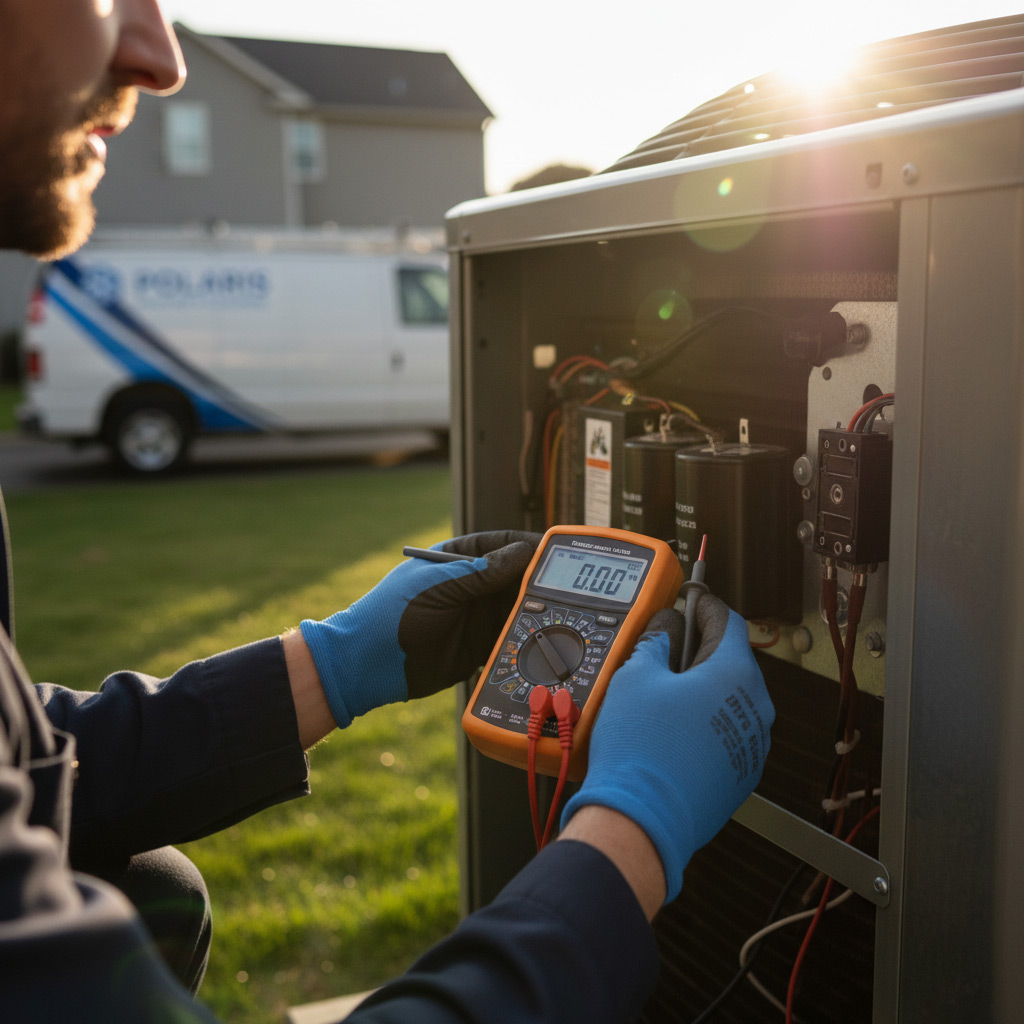
Imagine stepping into your home on a scorching Plano summer and being greeted by a whisper‑quiet, ice‑cold blast that makes you wonder why you ever put up with that sweaty mess. That feeling isn’t a fluke—it’s the result of a system that’s been cared for like a prized race car.
In a town where the mercury can swing from 90° in July to a frosty 30° in January, your HVAC isn’t just a convenience; it’s a lifeline. Skipping routine checks is like driving on bald tires—you might get there, but you’re courting costly breakdowns and sky‑high energy bills.
What if you could walk through a simple, step‑by‑step checklist that keeps your furnace, AC, and everything in between humming smoothly all year long? Grab a coffee, and let’s dive into the exact actions you need to protect your comfort and your wallet.
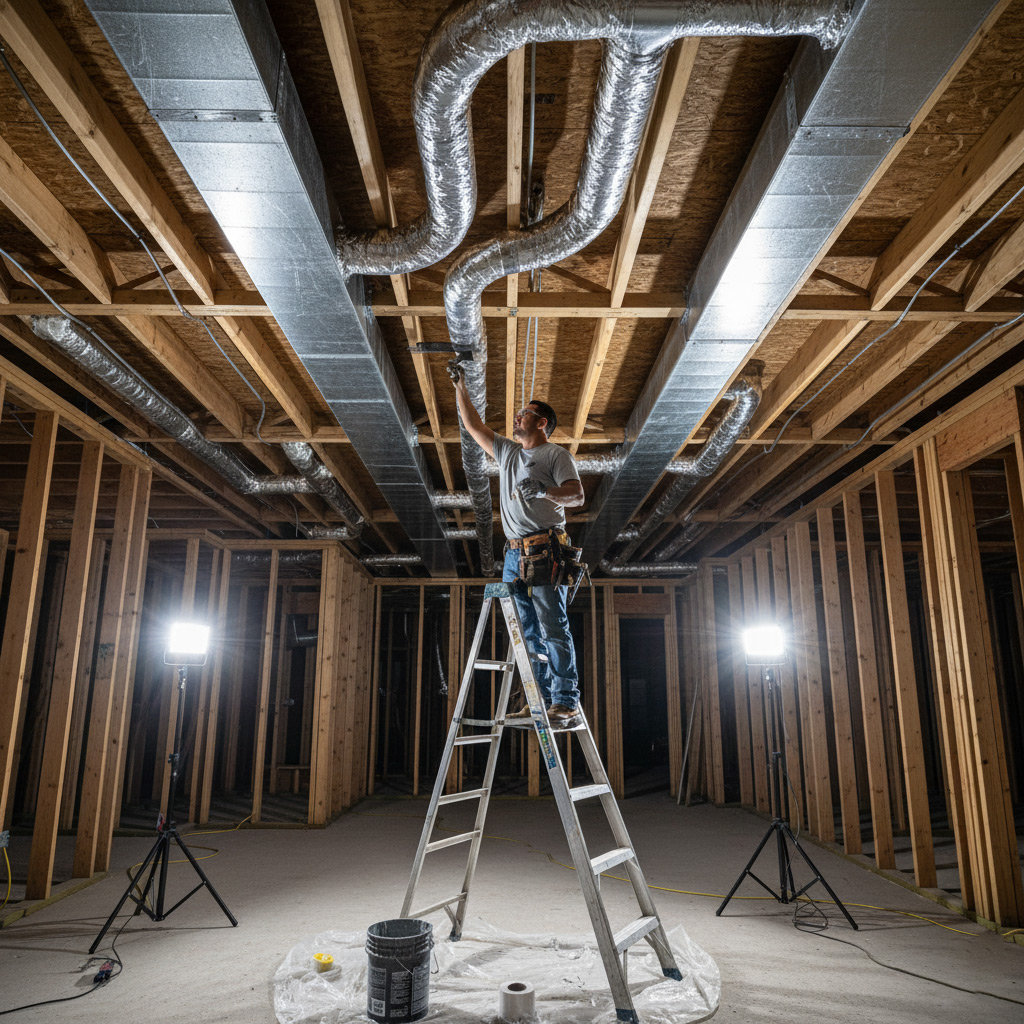
Seasonal Inspection Schedule: What to Check Each Month
In Plano, the weather flips faster than a switchblade, so a predictable inspection calendar is your best insurance policy. By giving each component a quick once‑over when the temperature shifts, you dodge surprise breakdowns and keep the utility bill from ballooning.
Winter (January – February)
- Furnace filter: swap or clean every 30 days; a clogged filter forces the blower to work overtime.
- Thermostat calibration: verify it reads true indoor temperature; an off reading can over‑heat the house.
- Inspect the heat exchanger for cracks; a tiny fissure can turn a cozy night into a safety hazard.
Spring (March – May)
- Turn off the outdoor AC unit, then remove debris from the condenser coils.
- Check refrigerant lines for signs of wear or moisture.
- Test the humidifier and dehumidifier functions; Plano’s spring humidity can swing wildly.
Stick to this month‑by‑month routine and you’ll catch the small stuff before it becomes a big, costly problem. The result? A system that runs smooth all year, and a wallet that stays happy when the seasons change.
DIY Pre‑Season Tune‑Up: Quick Tasks Homeowners Can Perform
Before you call in the pros, there are a handful of chores you can knock out in an hour or less. These small wins keep your system from screaming for help when the heat hits 95° or the freeze drops below 30°.
Check the thermostat
Make sure the thermostat is set to “Auto” instead of “On” so the fan only runs when heating or cooling is needed. Test the temperature swing by raising it a few degrees and watching the system kick in. If the display looks fuzzy or the battery is low, replace it—no need to wait for a service call.
Clean the outdoor unit
Turn off power at the breaker, then pull away any leaves, twigs, or debris that have built up around the condenser coil. A garden hose on a gentle spray will rinse off dust; just avoid high pressure that could bend the fins. Finally, trim back shrubs at least three feet away to give the unit breathing room.
Seal ducts & inspect filters
Walk through each room, locate the return grilles, and pop off the covers. Pull out the filter—if it’s dirty, replace it with a new MERV‑8 or higher. While you’re there, run a quick hand‑held smoke test (a lit incense stick works) to spot leaks; seal any gaps with foil‑backed duct tape.
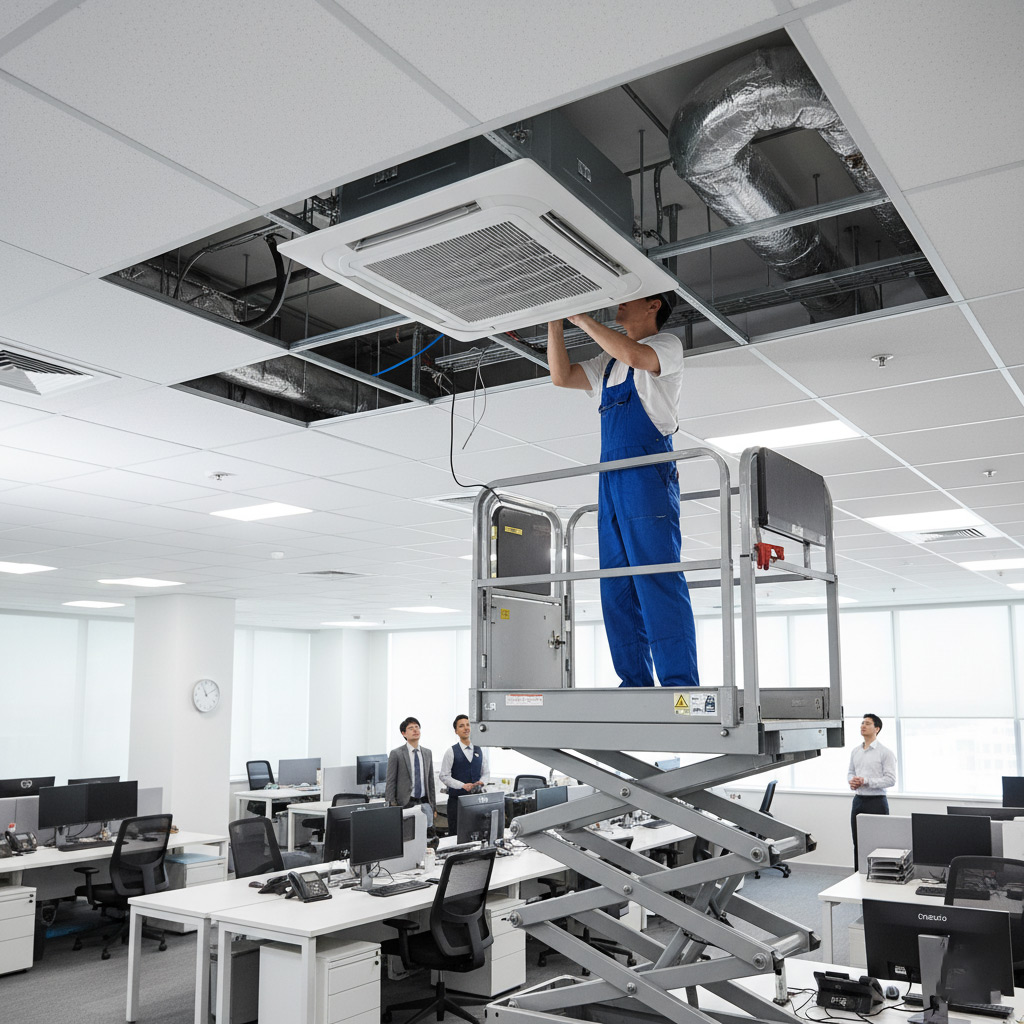
Professional Maintenance Milestones: When to Call a Certified HVAC Technician
Even the toughest system needs a doctor’s visit now and then. If you hear rattling, notice uneven temperatures, or your energy bill spikes without explanation, it’s time to stop guessing and call a pro. A certified technician can spot hidden wear that DIY eyes miss, saving you from a costly breakdown in the middle of a Plano heat wave.
Key Milestones That Demand a Pro
- Annual Spring & Fall Check‑ups – before the AC or furnace does the heavy lifting.
- After 5,000‑hour runtime – most units hit this mark after 3‑4 years of regular use.
- When you replace filters more than three times a season – indicates airflow restriction.
- Any strange odors – could be mold, refrigerant leaks, or electrical issues.
- Warranty preservation – many manufacturers require a yearly professional inspection.
Schedule these visits early, especially before the summer scorch or winter freeze. A quick call to a local, certified Plano HVAC crew locks in a slot, keeps your system humming, and protects the warranty you paid for. The investment is tiny compared to the price of a full‑blown replacement.
Energy Efficiency Boosters: Cleaning, Filters, and Sealing Tips
Clean the Coils
Dust on the evaporator and condenser coils is a silent thief that makes your AC work harder. Grab a soft brush or a coil‑clean spray and wipe away the grime before the season kicks in. Clean coils = lower bills.
Swap the Filters
Filters are the first line of defense against dirt and allergens. Change them every 30‑60 days, or sooner if you have pets. Fresh air, happy system.
- Standard fiberglass: replace monthly.
- Pleated or electrostatic: every 2‑3 months.
- HEPA: follow the manufacturer’s schedule.
Seal the Ductwork
Leaky ducts throw away up to 30% of heated or cooled air. Walk the attic and crawlspaces with a flashlight; feel for hissing or cold spots. Seal with mastic or foil tape, not cheap duct‑tape.
- Inspect joints, registers, and flexible sections.
- Apply mastic to gaps larger than ¼ inch.
- Wrap insulation around exposed ducts.

Common Pitfalls in Plano Climate: Preventing Freeze‑Ups and Overheating
Freeze‑Ups: What Triggers Them
Plano’s winter can drop below 30°F, and when moisture meets a chilly coil, ice forms faster than you can say “shiver.” One missed filter change or a leaky duct can turn your furnace into an icebox.
- Clogged condensate drain – water backs up, freezes, blocks airflow.
- Low refrigerant – the system works harder, coil temperature plummets.
- Improper thermostat settings – “heat‑pump emergency heat” left on all night.
Solution: Keep the drain line clear, schedule a refrigerant check before December, and set the thermostat to “auto” instead of “on” when you’re away.
Overheating: The Silent Money‑Sucker
When July hits 95°, your AC is the only thing standing between you and a sauna. A dirty coil or blocked vent can push the compressor into overdrive, spiking your bill.
- Dust‑covered evaporator coil – reduces heat exchange.
- Closed blinds or furniture blocking return air – forces the system to work harder.
- Worn fan belt – slows airflow, raises compressor temperature.
Quick fix: Snap a clean rag over the coil, pull furniture away from vents, and replace the fan belt at the first sign of squeal.
Pro‑Tip Checklist for Both Seasons
Don’t wait for a breakdown; treat your HVAC like a car—regular care saves cash.
- Inspect the outdoor unit for snow or debris after each storm.
- Run the fan on “auto” for 10 minutes weekly to dry the coil.
- Check thermostat batteries and calibrate the sensor each spring.
Follow these steps and you’ll dodge the freeze‑up nightmare and the summer scorch, keeping comfort steady and bills low.
Case Study: How XYZ HVAC Restored a Plano Home’s Comfort and Cut Bills by 30%
The Situation
When the Martinez family moved into their 2,300‑sq‑ft ranch, the HVAC system was a relic from the early 2000s. Summer heat lingered in the living room, while the furnace shivered on crisp winter mornings. A quick glance revealed clogged filters, leaky ductwork, and an aging compressor that was begging for retirement.
- Dirty air filters – reduced airflow, higher energy use.
- Unsealed ducts – up to 30% conditioned air lost.
- Worn‑out blower motor – noisy, inefficient.
The Intervention
XYZ HVAC sent a certified tech crew on a Tuesday, armed with a detailed plan. First, they swapped out all filters with high‑MERV units. Next, they sealed every duct joint with UL‑rated tape and applied aerosol sealant to hard‑to‑reach spots. Finally, they replaced the failing blower motor and recharged the refrigerant to the manufacturer’s specs.
- Filter upgrade: improved indoor air quality and airflow.
- Duct sealing: cut loss by nearly a third.
- Motor swap: quieter operation, 15% less electricity.
The Payoff
Three months later, the Martinez household reported a noticeable temperature swing in every room. Their utility statements showed a 30% drop in HVAC‑related costs. The family also enjoyed a quieter home and breathed easier thanks to the fresh filters.
- Energy bill reduction: $450 saved annually.
- Comfort level: consistent 72°F in summer, 68°F in winter.
- System lifespan: projected extra 5‑7 years.
Final Words
Stay Ahead of the Curve
When you treat your HVAC system like a prized asset, you dodge the nasty surprises that Plano’s swing‑season loves to throw. Regular checks keep the unit humming, the bills low, and the indoor climate just right.
Don’t wait for a breakdown to remind you—set a calendar reminder, keep a spare filter handy, and give your system the love it deserves before the next heat wave or freeze‑up hits.
Quick Action List
- Mark the first Saturday of each month for a 5‑minute visual inspection.
- Swap out filters every 30‑60 days, depending on usage.
- Schedule a professional tune‑up before the summer peak and again before winter.
- Check for water leaks around the condensate line; if you spot any, call a pro.
Need a hand with the heavy lifting? Our certified technicians specialize in HVAC maintenance, and just one quick call can save you hours of hassle and keep your home comfortable all year long.
People Also Ask
How often should I schedule HVAC maintenance in Plano, TX?
A full professional inspection is recommended twice a year—once before the summer cooling season and once before winter heating. Monthly visual checks and filter replacements can keep the system running smoothly between visits.Can I perform HVAC maintenance myself, or do I need a certified technician?
Homeowners can handle basic tasks like changing filters, cleaning vents, and checking thermostat settings. For refrigerant checks, electrical diagnostics, and coil cleaning, a certified HVAC technician is required.What are the most common HVAC problems caused by Plano’s climate?
Plano’s hot summers can lead to coil fouling and reduced airflow, while occasional winter freezes may cause condensate line blockages. Both issues can cause higher energy bills and uncomfortable indoor temperatures.How does cleaning and sealing improve energy efficiency?
Removing dust from coils and ducts improves airflow, reducing the workload on the compressor. Proper sealing of ducts and registers prevents conditioned air from escaping, saving up to 20% on energy costs.What signs indicate it’s time to call a professional for HVAC service?
Unusual noises, inconsistent temperatures, frequent short‑cycling, or a sudden spike in utility bills are red flags. If you notice any of these, schedule a technician visit promptly to avoid costly repairs.
Plano HVAC brings over a decade of residential and commercial climate control expertise to the Plano community. Their team combines local knowledge with certified technicians to deliver reliable heating and cooling solutions tailored to Texas weather.
Need HVAC?
We restore your home or business quickly, delivering functional results in hours, not days (75023, 75024, 75025, 75034, 75035). Our rapid response keeps you moving forward without delay.
Request a fast quote