Picture this: the thermostat spikes to 95°, the whole house feels like a sauna, and you’re scrambling for a fix while the kids are melting on the couch. Most people panic, but the savvy Plano homeowner already knows the next move.
They’ve built a simple playbook—one that starts with a quick visual check, a trusted service contact, and a clear understanding of their unit’s warranty limits. No guesswork, no endless scrolling through “best AC repair” lists.
What sets them apart isn’t magic; it’s a handful of habits that keep the cool flowing and the bills low. From logging service dates in a phone note to demanding a written estimate before any work begins, they stay one step ahead of the breakdown.
Ready to steal those habits and stop sweating over every AC hiccup? Keep reading and you’ll learn the exact steps that turn a potential disaster into a routine win.

Quick Visual Inspection: Spotting the Obvious Before Calling a Pro
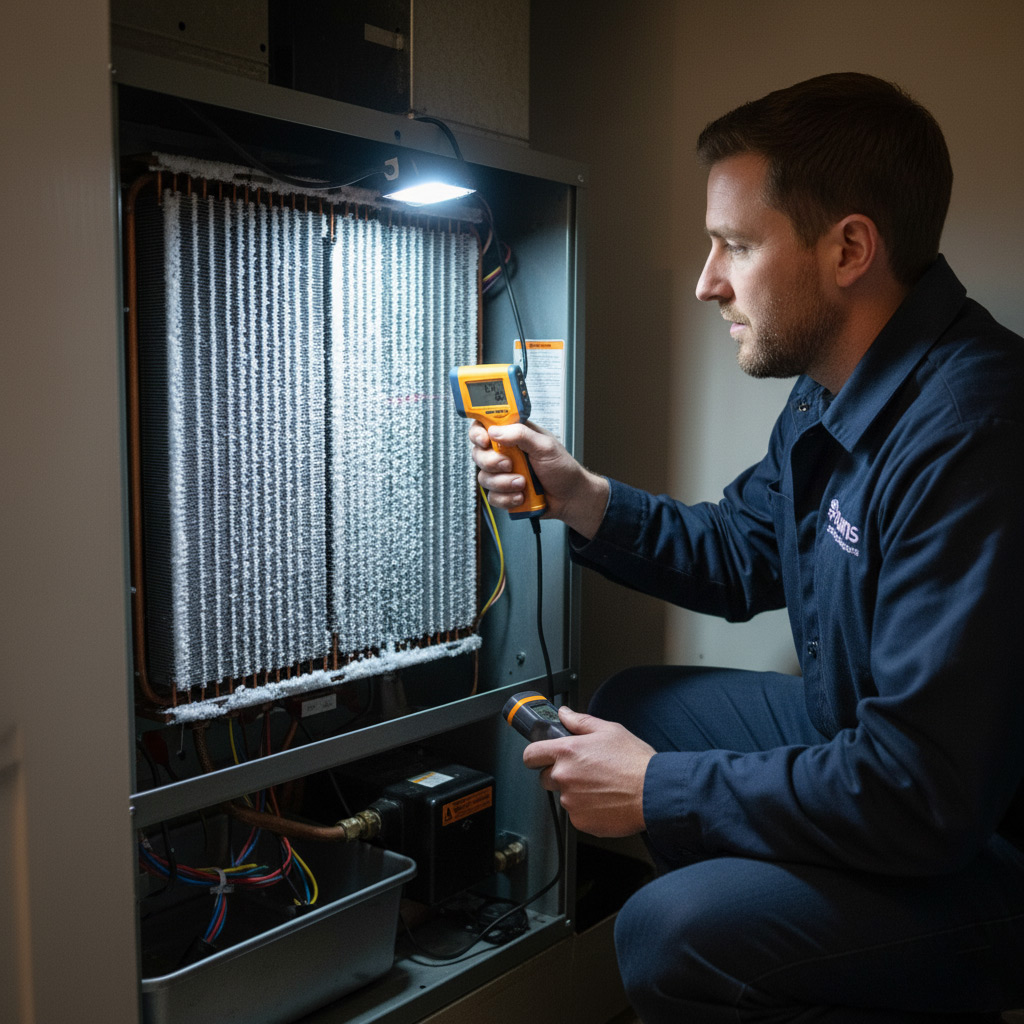
When the thermostat jumps to 95°, the first thing a smart Plano homeowner does isn’t dial the service line. They walk to the unit, turn on the light, and scan for the low‑hanging clues that tell them what’s really going on. A quick look can save a call‑out fee and keep the house from turning into a sauna.
What to Look For
- Dirty or clogged filters – a clogged filter chokes airflow and forces the system to work harder.
- Leaking condensate – water pooling around the indoor coil often means a blocked drain line.
- Obvious dents or loose wires on the outdoor condenser – these are signs of physical damage that need a pro’s touch.
- Unusual noises – rattles, squeals, or grinding can point to a failing fan motor or loose belt.
If any of those red flags pop up, note them and move on to the next step. If the unit looks clean, the fan spins freely, and there’s no water on the floor, you’ve likely ruled out the cheap fixes and can focus on the real problem when the technician arrives.
Knowing Your Warranty: What’s Covered and How to Leverage It
Read the Fine Print
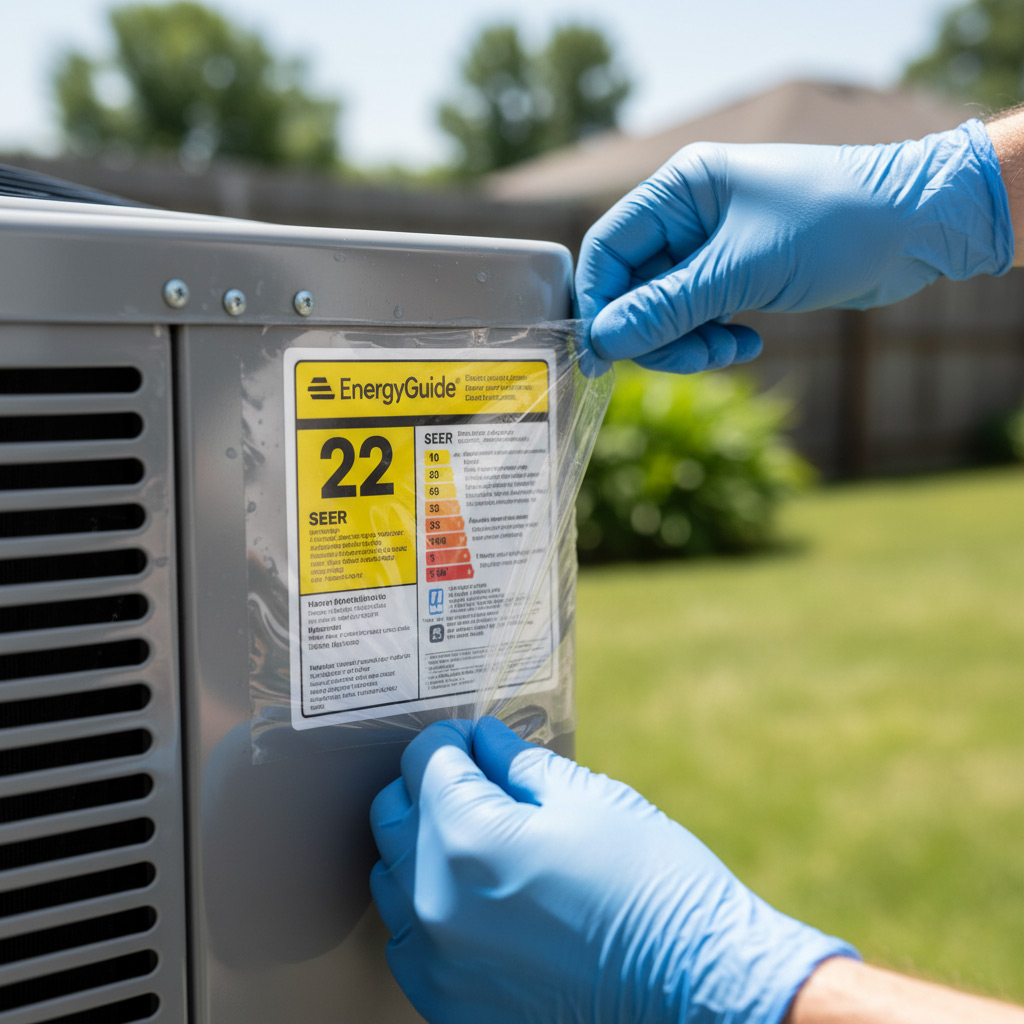
Before you ever dial a tech, pull out the warranty booklet and skim the first three pages. Those pages tell you what the manufacturer will actually pay for—usually parts, labor, or both, but only under specific conditions.
Typical coverage includes:
- Compressor failure within the first 10 years
- Replacement of the evaporator coil if it leaks
- Labor costs for a certified technician, up to a set number of visits
Activate Your Protection
Once you know what’s covered, make it work for you. Call the dealer’s warranty line within the window they require—often 48 hours after the issue appears. Document the call with a note of the date, time, and the rep’s name.
Keep every invoice, service order, and receipt in a dedicated folder—digital or paper. When the tech arrives, hand them the warranty card and your log. That simple step forces the company to honor the terms you paid for.
Extend the Benefits
Many manufacturers offer a paid extension that mirrors the original terms. If your unit is only a few years old, a two‑year add‑on can save you from a pricey compressor swap later. Ask your service partner if they have a preferred extension plan and compare the cost to a typical repair bill.
Building a Trusted Service Network: Choosing the Right Plano AC Repair Partner
When the heat spikes, you don’t want to gamble on a fly‑by‑night tech. A solid network means you have a go‑to crew that knows your system inside out, shows up on time, and respects your budget.
What to Look For
- Local reputation – Check Google reviews, neighborhood Facebook groups, and the Better Business Bureau.
- Licenses and insurance – A legitimate contractor will post these on their website or hand them over without hesitation.
- Specialty in your brand – Not all AC techs know the quirks of a Carrier or Trane unit.
Ask for references from homeowners who live in the same subdivision. If they’re happy, you’ll hear it straight from the source, not a polished marketing page.
How to Vet a Contractor
- Get a written estimate before any work starts. It protects you from surprise add‑ons.
- Ask about their service warranty – the best firms stand behind labor for at least a year.
- Check response time – a partner who can schedule a same‑day visit when the thermostat hits 95° is worth its weight in gold.
Keep a small spreadsheet of contacts, rates, and notes. When the next breakdown hits, you’ll pull the right name out of the list, not scramble through a Google search.
Documenting Maintenance: The Power of a Simple Service Log
Every smart Plano homeowner treats their AC like a high‑performance car—track the miles, note the oil changes, and you’ll never be caught off guard. A one‑page log on your phone or a cheap notebook does the trick, and it costs less than a latte a week.
What to Write Down
Keep it tight. Jot the date, the technician’s name, and the work performed. Add a quick note on how the unit felt afterward—cooler, louder, or still sputtering.
- Date of service
- Technician & company
- What was fixed or replaced
- Temperature reading before & after
- Any follow‑up tasks
When the next issue pops up, you’ll have a clear history to show the pro. That speeds up diagnosis and often shrinks the bill because the tech won’t waste time guessing.
Why It Pays Off
First, warranty claims become a breeze—just hand over the log and the paperwork disappears. Second, when you sell the house, a tidy service record adds credibility and can bump the asking price a few thousand dollars.
Finally, patterns emerge. If you notice a coil cleaning every 12 months and a compressor replacement at year 7, you can plan budgets ahead of time instead of scrambling when the unit finally quits.
Getting Accurate Estimates: Why Written Quotes Save Money and Time
The Power of a Paper Trail
When a Plano homeowner asks for a written quote, they instantly create a reference point that keeps the conversation honest. Everything from labor rates to part numbers lands on paper, so there’s no room for “I thought you said…” later on.
Having that document in hand lets you compare offers side‑by‑side, spot inflated line items, and walk away with confidence. It’s the fastest way to turn a vague phone chat into a clear, actionable plan.
What to Demand in the Quote
Don’t settle for a single lump sum. Ask for an itemized breakdown that shows exactly what you’re paying for.
- Parts*: brand, model, and warranty length.
- Labor*: hourly rate and estimated hours.
- Service fees*: call-out, disposal, and any extra charges.
When each piece is listed, you can instantly see where you might cut costs—like opting for a refurbished coil instead of a brand‑new one.
Turn Quotes into Negotiation Power
Armed with two or three written estimates, you hold the leverage to negotiate better terms. Most contractors will match or beat a competitor’s price if they see a concrete offer on the table.
Plus, a written quote protects you from surprise fees after the job starts. If a tech tries to add “unforeseen” costs, you simply point to the document and say, “That wasn’t in the estimate.” That simple line can save you hundreds.
Real‑World Success: Case Study of a Plano Home That Cut Repair Costs by 30%
Background
When the Martinez family noticed their AC sputtering on a 92°F day, the first instinct was to call the cheapest contractor on Google. They quickly learned that price alone isn’t the whole story.
Key facts about the home:
- 3‑bedroom ranch, built 2005
- 2‑ton Carrier split system, still under a 10‑year parts warranty
- Annual energy bill: $2,400
What They Did Differently
Instead of jumping straight into repairs, the Martinezes followed a three‑step protocol that saved them a bundle.
- Verified warranty coverage – a quick call to Carrier confirmed the compressor was still protected.
- Collected three written estimates, each broken down by labor, parts, and taxes.
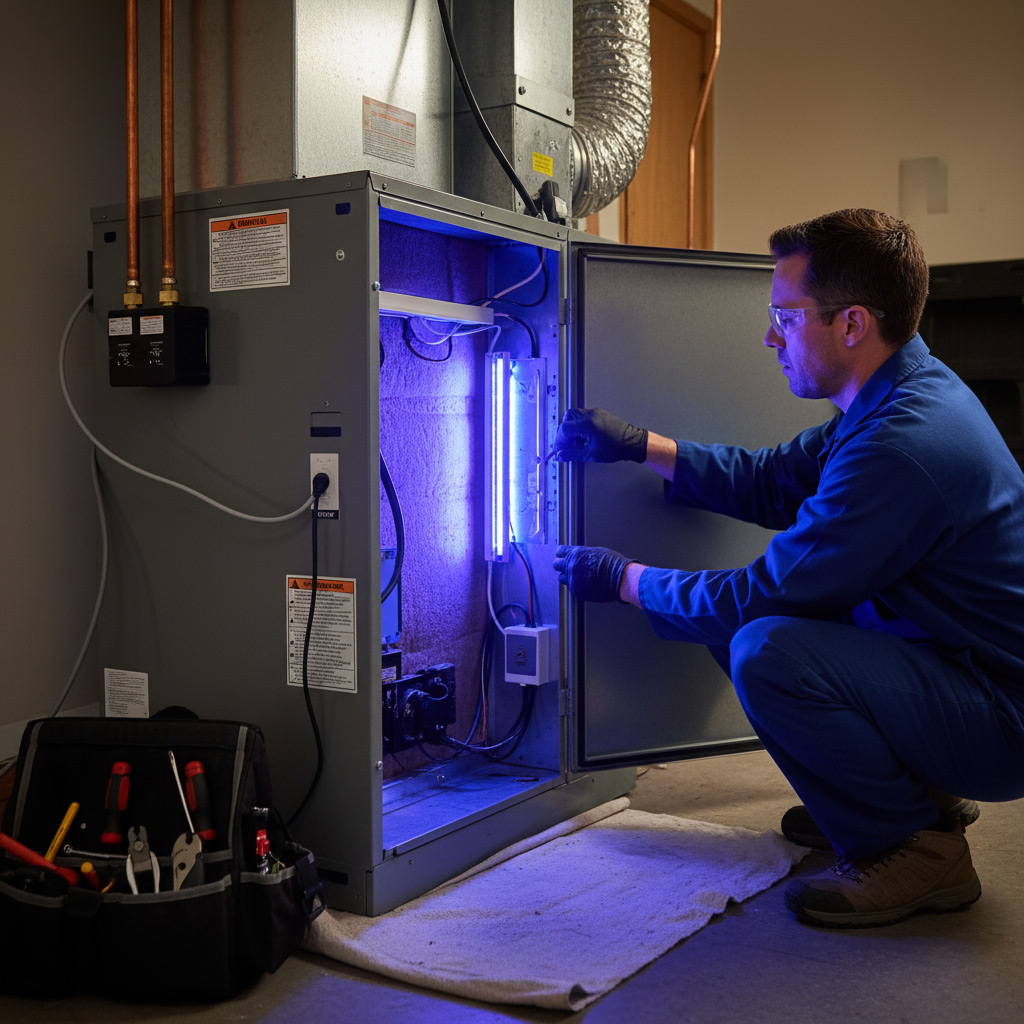
- Asked every tech to perform a “visual diagnostic checklist” before any work began.
The chosen technician spotted a clogged condensate line that was causing the unit to overheat. Replacing a $45 coil guard and cleaning the line cost $120 – far less than the $350 “compressor replacement” quote they’d been shown.
Results & Takeaways
After the fix, the Martinez AC ran at 85% efficiency, and their monthly electric bill dropped by $70. Over a year, that’s a 30% reduction in repair and energy costs.
Bottom line: a simple audit, a solid warranty check, and written quotes turned a potential $1,200 disaster into a $300 win. That’s the kind of habit smart Plano homeowners swear by.
Final Words: Turning AC Repairs into a Stress‑Free Routine
Make the Checklist Your Habit
Every smart Plano homeowner treats the maintenance checklist like a daily to‑do list. One quick glance at the filter, a note in the phone, and you’ve already avoided a pricey emergency. When the next heat wave rolls in, you’ll be the one sipping iced tea while the neighbors are still calling for help.
- Check filter & coil monthly.
- Log service dates in a simple spreadsheet or note app.
- Set a calendar reminder for seasonal tune‑ups.
Leverage Your Warranty Like a Pro
Don’t let warranty fine print catch you off guard. Keep the original paperwork in a folder labeled “Air Conditioning Repair.” When a claim is needed, you’ll have the serial number, purchase date, and coverage details at your fingertips—no back‑and‑forth with the dealer.
Demand Written Estimates Every Time
Before any screwdriver hits the unit, ask for a written quote. It forces the contractor to break down labor, parts, and taxes, and it gives you a solid basis for comparison. A clear estimate is your best weapon against surprise fees.
Stick to these habits, and you’ll turn what used to be a panic‑filled scramble into a smooth, predictable routine. The AC stays cool, the wallet stays happy, and you keep your peace of mind—no sweat required.
People Also Ask
How can a quick visual inspection save Plano homeowners money on AC repairs?
A brief walk‑around can reveal loose wires, clogged filters, or obvious leaks that are easy for the homeowner to fix or point out to a technician, reducing unnecessary service calls. Catching these issues early often prevents larger, costlier problems down the line.Why is it important for Plano residents to understand their AC warranty before calling a repair service?
Knowing what components are covered helps homeowners avoid paying for repairs that the manufacturer will handle. It also lets them schedule service with authorized technicians to keep the warranty valid.What should Plano homeowners look for when building a trusted AC repair network?
They should prioritize locally licensed contractors with strong reviews, transparent pricing, and a history of timely service. A reliable partner will also offer preventive maintenance plans and clear communication.How does keeping a simple service log improve AC repair outcomes?
A log tracks filter changes, cleaning dates, and past repairs, giving technicians a clear history to diagnose issues faster. This documentation can also support warranty claims and help schedule future maintenance.What advantage do written quotes provide when getting AC repair estimates in Plano?
Written quotes detail labor, parts, and any additional fees, preventing surprise costs and enabling easy comparison between providers. They also serve as a reference if the scope of work changes during the repair.
Plano HVAC brings over a decade of HVAC expertise to the Plano community, delivering reliable heating and cooling solutions tailored to local needs. Their team of certified technicians combines industry knowledge with a commitment to responsive service, ensuring comfort for homes and businesses throughout Plano, TX.
Need HVAC?
We restore your home or business quickly, delivering functional results in hours, not days (75023, 75024, 75025, 75034, 75035). Our rapid response keeps you moving forward without delay.
Request a fast quote