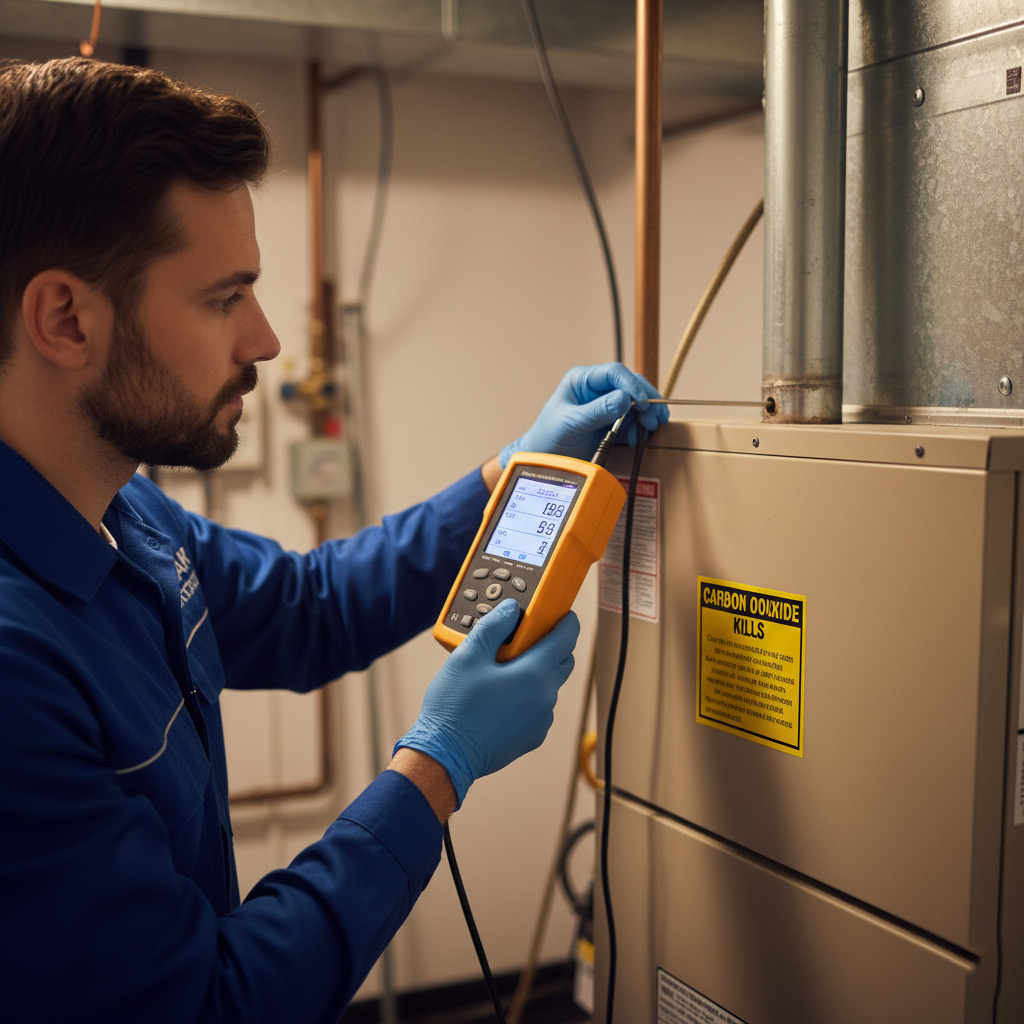
If you’ve ever stepped into a neighbor’s living room and felt a perfect breeze while your own place feels like a furnace, you’ve tasted the power of a well‑done HVAC install.
Plano’s scorching summers and bite‑cold winters make a reliable system not a luxury but a survival tool, and locals have learned a handful of shortcuts that turn a pricey project into a smart investment.
These aren’t gimmicks you’ll find in a generic brochure; they’re the exact moves seasoned installers use to squeeze out every ounce of performance and keep the monthly bill from exploding.
Ready to discover the playbook that keeps Plano homeowners comfortable year‑round and their wallets breathing easy? Let’s dive into the secrets they don’t want you to miss.
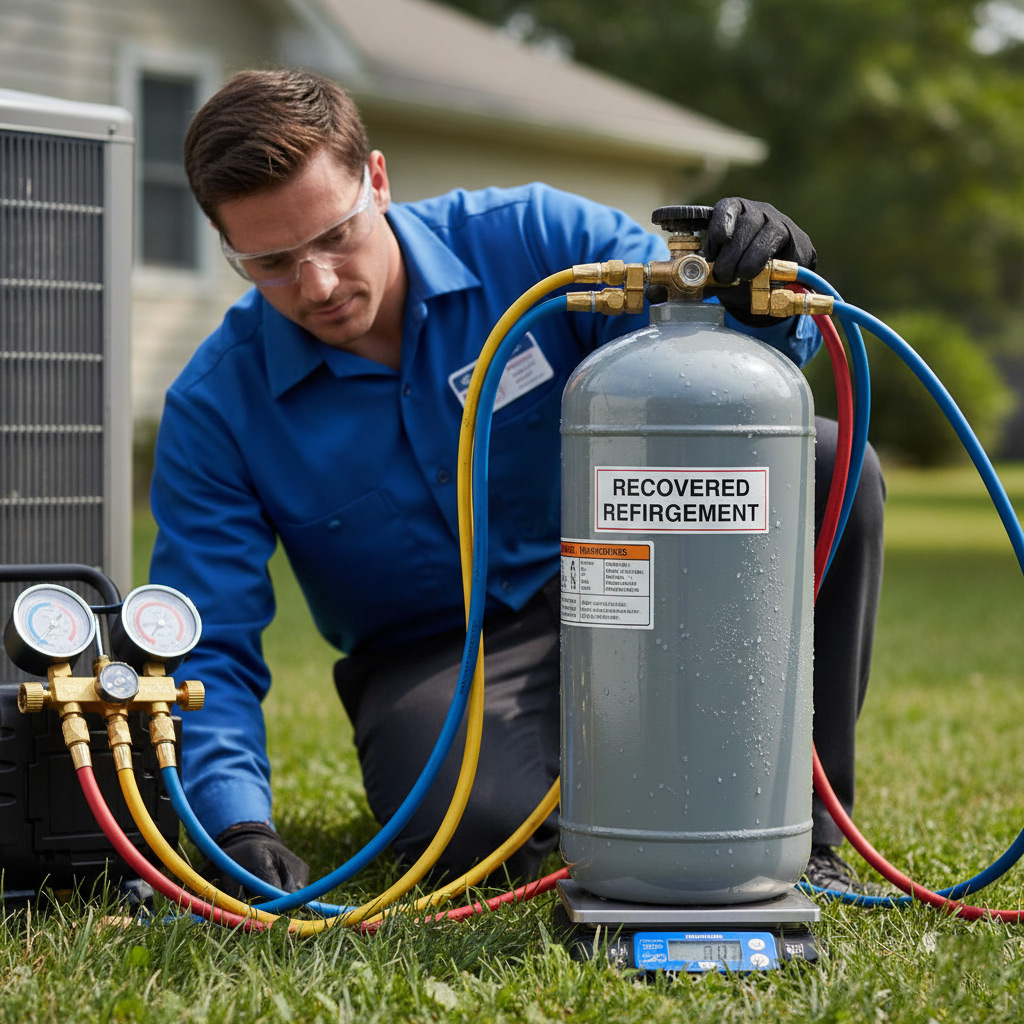
Understanding Plano’s Climate: How It Impacts HVAC Design Choices
Plano lives on the edge of a Texas summer that can push 100°F and a winter that can dip below 30°F. That swing forces a system to juggle heat and cool with equal vigor. One‑size‑fits‑all equipment simply won’t cut it when the thermostat is screaming in July and shivering in January.
Key Climate Drivers in Plano
- Humidity spikes in late summer demand robust dehumidification.
- Rapid temperature drops after sunset require a furnace that can kick in fast.
- Occasional severe storms bring high wind loads that stress outdoor units.
Because of these quirks, designers must size equipment based on peak heating and peak cooling loads, not just average conditions. A unit that’s too small will run nonstop, inflating the bill; too large and you’ll waste energy while the home never reaches the right comfort level.
Design Choices That Respond to the Weather
Smart installers pair a variable‑speed air conditioner with a modulating furnace. The result is a system that scales output up or down in real time, keeping indoor temps steady without the “on‑off” roller coaster. Adding a heat pump with a backup electric strip gives you a safety net when the cold snaps get brutal.
Don’t forget the outdoor unit’s placement. Shade, clearance, and wind direction all affect efficiency. A well‑positioned condenser can shave off 10‑15% of energy use, especially during those scorching afternoons when the sun beats down on the roof.
Choosing the Right System Size and Type for Maximum Efficiency
Size matters – but not the way you think
Most Plano homeowners grab the biggest unit they can find, assuming bigger = better. That’s a fast track to wasted energy and higher bills. A properly sized system matches the home’s square footage, insulation level, and sun exposure, delivering just the right amount of heating or cooling.
Use a trusted Manual J calculation. It’s the industry’s gold standard for sizing. If you’re DIY‑inclined, look for a local contractor who runs the numbers before they even step foot on the job site.
Which type fits a Plano home?
Two main players dominate the market: split‑system heat pumps and traditional gas furnaces paired with central AC. Heat pumps excel in mild winters and can slash heating costs by up to 30 %.
But Plano’s occasional deep freeze can push a heat pump to its limits. Pair it with a supplemental electric or gas backup, and you’ve got a system that stays comfortable without overworking.
- Variable‑speed compressors adjust output on the fly, keeping temperature swings to a minimum.
- Two‑stage furnaces deliver steady heat, avoiding the “blast‑on‑blast‑off” feel of single‑stage units.
- Hybrid systems let you switch between electric and gas, letting the thermostat pick the cheapest fuel at any moment.
Bottom line: don’t chase the flashiest model. Pick a unit that’s right for your home’s load, climate quirks, and budget. When the numbers line up, you’ll feel the difference the first time you flip the thermostat.
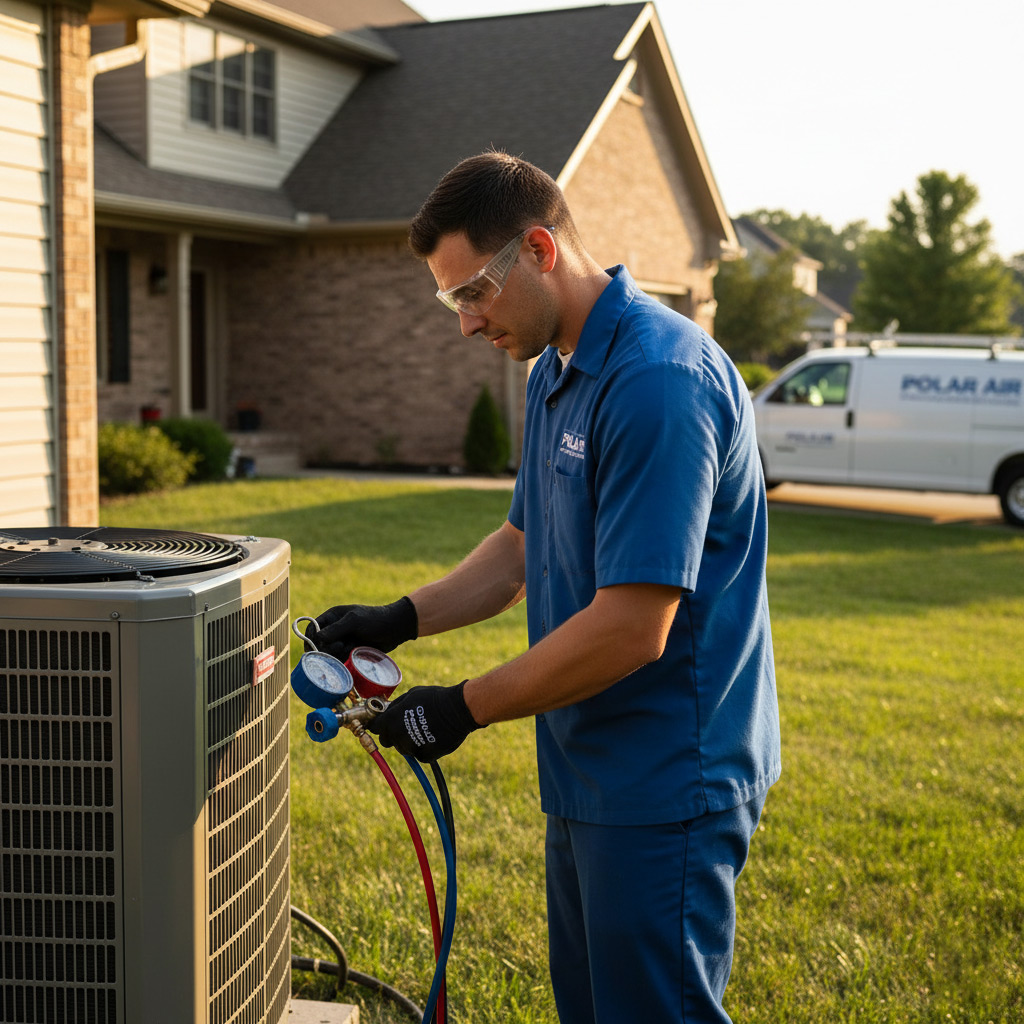
Insider Installation Techniques That Boost Performance and Cut Costs
Prep Work That Pays Off
Before the first wrench turns, a seasoned tech runs a Manual J load calculation to nail the exact capacity your home needs. Oversized units waste energy and drive up utility bills.
Next, they map out the shortest, straight‑line route for refrigerant lines, trimming excess pipe that would otherwise add heat loss. The result? A tighter system that runs cooler and costs less.
- Seal all penetrations with fire‑rated caulk.
- Mark the optimal location for the outdoor condenser—shade, clearance, and airflow matter.
- Pre‑install a high‑quality, insulated condensate drain to avoid future leaks.
The Install‑Day Hacks
During the install, technicians use a vacuum pump to pull a deep, oil‑free vacuum before charging refrigerant. This eliminates hidden moisture that can corrode coils.
They also employ a precision charge based on measured line length, not a guess‑and‑check approach. The system hits target temperature faster, shaving minutes off each cycle.
- Wrap copper lines with reflective insulation to keep the refrigerant cold.
- Use a torque wrench on all bolts—tight enough to prevent vibration, loose enough to avoid cracking.
- Install a variable‑speed blower motor for smoother airflow and lower electricity draw.
Final Checks That Save Money
After the unit is up, a quick pressure test confirms there are no leaks—no costly repairs down the road. Then they balance the duct airflow with a handheld anemometer, ensuring each room gets the right amount of air.
Lastly, they calibrate the thermostat to the exact indoor temperature swing you set, so the system never over‑runs. A well‑tuned setup means you stay comfortable while the meter stays low.
The Importance of Proper Ductwork Design and Sealing in Plano Homes
Why Ducts Matter More Than You Think
In a Plano house, air has to travel through long stretches of duct before it reaches the bedroom or the garage. Even a tiny leak can waste a ton of energy and make your thermostat fight a losing battle.
When ducts are oversized or crammed into tight corners, the airflow becomes turbulent. That turbulence turns into noise, uneven temperatures, and higher utility bills.
Key Design Rules to Follow
Good design starts with a clear map. Sketch the layout, then measure each run. Keep the total length under 400 feet for a typical 2,500‑sq‑ft home.
- Right‑size the ducts: Use the Manual D calculation to match the blower’s capacity.
- Minimize bends: Every 90‑degree turn adds resistance; use gentle sweeps instead.
- Insulate properly: R‑value 8 or higher in unconditioned spaces stops heat loss.
- Seal every joint with mastic or UL‑listed tape—no cheap foil tape.
Once the ducts are in place, a pressure test will reveal hidden leaks. Pressurizing the system to 25 Pa and watching the gauge drop is a quick way to catch problems before they cost you.
Finally, schedule a professional balance. Adjust the dampers so each room gets the airflow it deserves. The result? Consistent comfort, lower bills, and a system that lasts longer.

Smart Controls and Zoning: Leveraging Technology for Energy Savings
Why Smart Thermostats Matter
Modern thermostats learn your schedule, then turn the system off when nobody’s home. That alone can shave 10‑15% off your bill, and the savings add up fast in Plano’s extreme temps.
Most models sync with your phone, so you can tweak the temperature from a coffee shop or the driveway. Instant feedback means you never waste energy because you forgot to adjust the dial.
Zoning Made Simple
Instead of a single thermostat controlling the whole house, zoning splits the home into independent zones. Each zone gets its own valve or damper, letting you heat the bedroom while the garage stays cool.
Result? You only run the system where you need it. That translates to lower utility costs and a more comfortable living space, especially during Plano’s swing‑season days.
Practical Steps to Get Started
Ready to upgrade? Follow this quick checklist:
- Choose a thermostat that supports geofencing and local weather integration.
- Map out high‑use areas (master bedroom, home office) and install zone dampers there.
- Program each zone with a schedule that matches occupancy patterns.
- Test the system after installation; watch for uneven airflow and adjust damper settings.
When you pair a smart thermostat with a well‑designed zoning plan, you get a system that works for you—not the other way around. It’s the kind of upgrade that pays for itself in a few short months.
Case Study: Transforming a 2,500‑sq‑ft Plano Home with a High‑Efficiency HVAC Install
The Challenge
When the Martinez family moved into their 2,500‑sq‑ft ranch, the old split‑system sputtered in July and shivered in January. Uneven temperatures plagued the master suite, while the utility bill ballooned past $300 each month. They needed a fix that would tame the heat, the cold, and the cost.
- Oversized unit that cycled on and off.
- Leaky ductwork losing up to 30% of airflow.
- No zoning or smart controls.
The Solution
We swapped the aging unit for a 30‑ton, variable‑speed heat pump paired with a dedicated air‑handler for the basement. The new system was right‑sized using Manual J calculations, and every duct was sealed with mastic and insulated. Smart thermostats in each zone let the family set different temps for the upstairs and downstairs.
- High‑efficiency SEER 20 unit.
- Four‑zone zoning with Wi‑Fi thermostats.
- All‑new, insulated ductwork with laser‑sealed joints.
The Results
Within the first month, the Martinez home felt balanced from floor to ceiling. The energy bill dropped to $140, a 53% reduction that surprised even the utility company. Comfort levels stayed steady, and the family finally got that “perfect breeze” they’d been chasing.
- Annual savings: $1,920.
- Temperature variance: <5°F across all rooms.
- System lifespan extended by 10+ years thanks to proper sizing.
Final Words: Your Roadmap to a Comfortable, Cost‑Effective Plano Home
Think of your HVAC upgrade as a road trip, not a one‑off purchase. Start with a clear plan, then follow each checkpoint so you never get lost in hidden fees or under‑sized units. The goal? A home that feels just right in July and December without the utility bill screaming.
Step‑by‑Step Checklist
- Audit your current system’s performance – note any hot spots or cold drafts.
- Calculate the exact BTU load for your square footage; don’t guess.
- Choose a high‑efficiency model with a SEER rating that matches Plano’s climate.
- Insist on proper duct sealing and insulation; a leaky duct can waste up to 30% of heating or cooling.
- Program smart thermostats and zoning controls for room‑by‑room comfort.
- Schedule a post‑install inspection to verify airflow and refrigerant charge.
Maintenance is the secret sauce that keeps the system humming. Set a calendar reminder for a professional tune‑up twice a year—once before summer, once before winter. During that visit, ask the tech to check for clogged filters, refrigerant leaks, and proper drainage. If you suspect a problem, don’t wait; a quick call to a specialist can save you from a costly breakdown later.
Finally, partner with a local HVAC installer who knows Plano’s quirks. They’ll bring the right equipment, the right crew, and the right attitude. When you follow this roadmap, you’ll enjoy steady indoor temps, lower bills, and the peace of mind that comes from a job done right the first time.
People Also Ask
What makes Plano’s climate unique for HVAC design?
Plano experiences hot, humid summers and occasional winter freezes, requiring systems that can handle both intense cooling and reliable heating. Selecting equipment with a wide temperature range ensures comfort year‑round.How do I determine the correct HVAC system size for my Plano home?
A professional load calculation (Manual J) considers square footage, insulation, window orientation, and local weather patterns. Proper sizing maximizes efficiency and prevents short‑cycling or inadequate heating.Which installation techniques improve HVAC performance in Plano?
Installing the unit on a level, vibration‑isolated platform, using high‑efficiency refrigerant lines, and sealing all connections reduce energy loss. These practices also extend equipment lifespan.Why is ductwork sealing critical for Plano homeowners?
Leaky ducts can waste up to 30% of conditioned air, driving up utility bills. Proper sealing and insulation keep air where it’s needed, enhancing comfort and efficiency.Can smart thermostats and zoning lower my energy costs?
Smart controls learn occupancy patterns and adjust temperatures automatically, while zoning allows separate temperature settings for different areas. Together, they can cut energy use by 10‑15% in typical Plano homes.
Plano HVAC brings over a decade of residential and commercial climate control expertise to the Plano community. Their team combines certified technicians with a deep understanding of local weather patterns to deliver reliable heating and cooling solutions.
Need HVAC?
We restore your home or business quickly, delivering functional results in hours, not days (75023, 75024, 75025, 75034, 75035). Our rapid response keeps you moving forward without delay.
Request a fast quote